Five pots, three shops, one pot chart
Inside the
kitchen
Most of what makes a bowl good happens before the doors open. Here is the whole of it: the broth clock, the timing standard, the produce calendar and the people who grow the food.
- Broth pots running
- 5
- Noodle deliveries
- Daily, 6 am
- Bowls on a Friday
- 410
- Tare batches per week
- 9
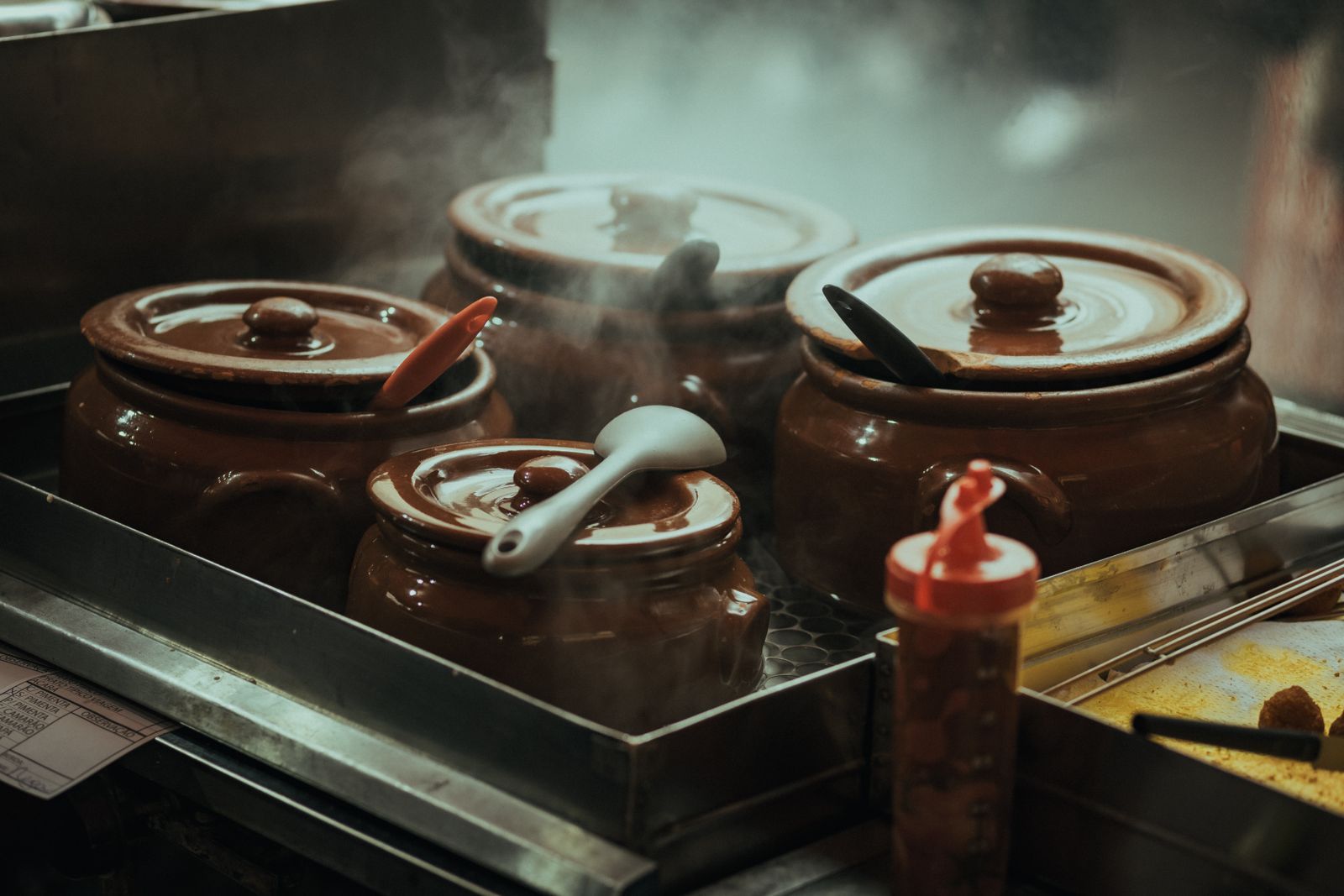
The broth clock, 4:30 am to 10 pm
Eighteen hours, one pot
Tonkotsu is an emulsion, not a stock, so it needs a hard boil for most of a day. Here is what the morning cook actually does, and when.
04:30
Blanch and scrub
Femur and trotter go into cold water, come to a boil, then get dumped. Every bone is scrubbed under running water to remove coagulated blood. Skip this and the broth will taste of iron for eighteen hours.
Hard boil, 10 minutes
05:00
Rolling boil begins
Clean bones return to fresh water and the burner goes to full. Tonkotsu is not a gentle stock. The boil is what shears fat and collagen into an emulsion instead of leaving them floating on top.
212F, uncovered
10:00
First top-up
Water is replaced to the original line with boiling water, never cold. The cook logs the level on the pot chart so the evening shift can see what was added and when.
212F
16:00
Aromatics in
Charred sweet onion, whole garlic head, ginger and leek tops go in for the last six hours. Any earlier and they turn bitter and vegetal.
212F
20:00
Back fat and emulsion check
Reserved back fat is added and the broth is checked for body by running a spoon across the surface. If the coating breaks instead of sheeting, it goes another hour.
212F
22:00
Pass and chill
Everything goes through a chinois, then a second pass through a finer cone. The broth is dropped into an ice bath to below 40F within ninety minutes and held for the next service.
212F down to 38F
Ticket to counter, under four and a half minutes
Why a bowl cannot wait
Noodles keep cooking in hot broth after they leave the kitchen. Four and a half minutes is a quality standard, not a service target, and a bowl that misses it goes to staff.
- 0:00
Tare in the bowl
Thirty millilitres of tare goes into a bowl warmed on the rail. The bowl is hot because a cold bowl drops the broth ten degrees before it reaches the table.
- 0:10
Broth poured
Broth comes off the rail at 194F and is poured onto the tare, not stirred. The pour does the mixing.
- 0:45 to 3:00
Noodles lifted
Cook time depends on cut and the firmness you asked for: 45 seconds for barikata hosomen, three minutes for soft futomen. The basket is shaken three times so no water rides in.
- +0:20
Toppings laid
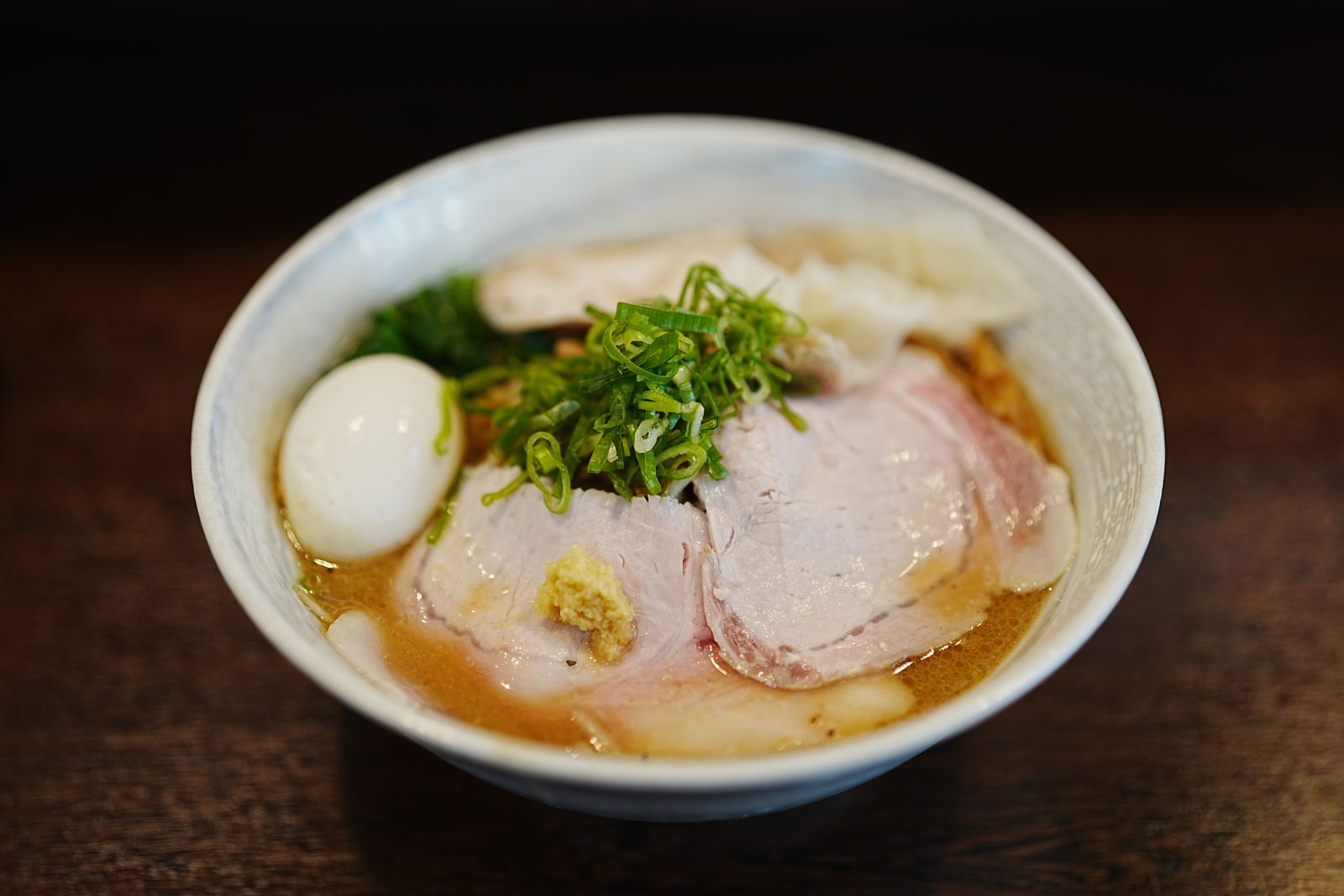
Chashu against the near wall, egg cut side up, menma and kikurage opposite, nori last so it is still crisp when it lands.
- Under 4:30 total
Handed across
From ticket to counter in four and a half minutes or the bowl goes to staff and we start again. Noodles keep cooking in the broth, so late is the same as overcooked.
Five broths, five different days of work
Which bowl is which
The label on a ramen menu usually names the tare, the seasoning that goes into the empty bowl, not the stock. This is what is actually different.
| Broth | Simmer | Base | Body | Noodle cut | Tare | From | Plant-based |
|---|---|---|---|---|---|---|---|
| Tonkotsu | 18 hours, hard boil | Pork femur, trotter, back fat | Opaque, heavy | Thin hosomen | Shoyu | $19 | No |
| Shoyu | 6 hours, bare tremble | Whole chicken, kombu | Clear, light | Medium chijiremen | Barrel shoyu | $18 | No |
| Shio | 5 hours plus overnight steep | Chicken, dried scallop, kombu | Clear, delicate | Thin hosomen | Sea salt | $19 | No |
| Spicy miso | 18 hours, then blended | Tonkotsu plus three misos | Thick, spicy | Thick futomen | Aka, shiro, hatcho miso | $20 | No |
| Kombu shiitake | 12 hours cold steep, 40 min heat | Kombu, toasted shiitake | Clear, savoury | Medium chijiremen | White miso | $18 | Yes |
Swipe sideways to compare every column.
Tonkotsu
$19- Simmer
- 18 hours, hard boil
- Base
- Pork femur, trotter, back fat
- Body
- Opaque, heavy
- Noodle cut
- Thin hosomen
- Tare
- Shoyu
Shoyu
$18- Simmer
- 6 hours, bare tremble
- Base
- Whole chicken, kombu
- Body
- Clear, light
- Noodle cut
- Medium chijiremen
- Tare
- Barrel shoyu
Shio
$19- Simmer
- 5 hours plus overnight steep
- Base
- Chicken, dried scallop, kombu
- Body
- Clear, delicate
- Noodle cut
- Thin hosomen
- Tare
- Sea salt
Spicy miso
$20- Simmer
- 18 hours, then blended
- Base
- Tonkotsu plus three misos
- Body
- Thick, spicy
- Noodle cut
- Thick futomen
- Tare
- Aka, shiro, hatcho miso
Kombu shiitake
$18- Simmer
- 12 hours cold steep, 40 min heat
- Base
- Kombu, toasted shiitake
- Body
- Clear, savoury
- Noodle cut
- Medium chijiremen
- Tare
- White miso
Cooked on the plant-based station
Written after the box is opened, not before
What the island is growing
Nalo Farms delivers Tuesday and Friday mornings. The specials board is written at 9 am once we have seen what arrived, which is why it changes four times a year rather than four times a decade.
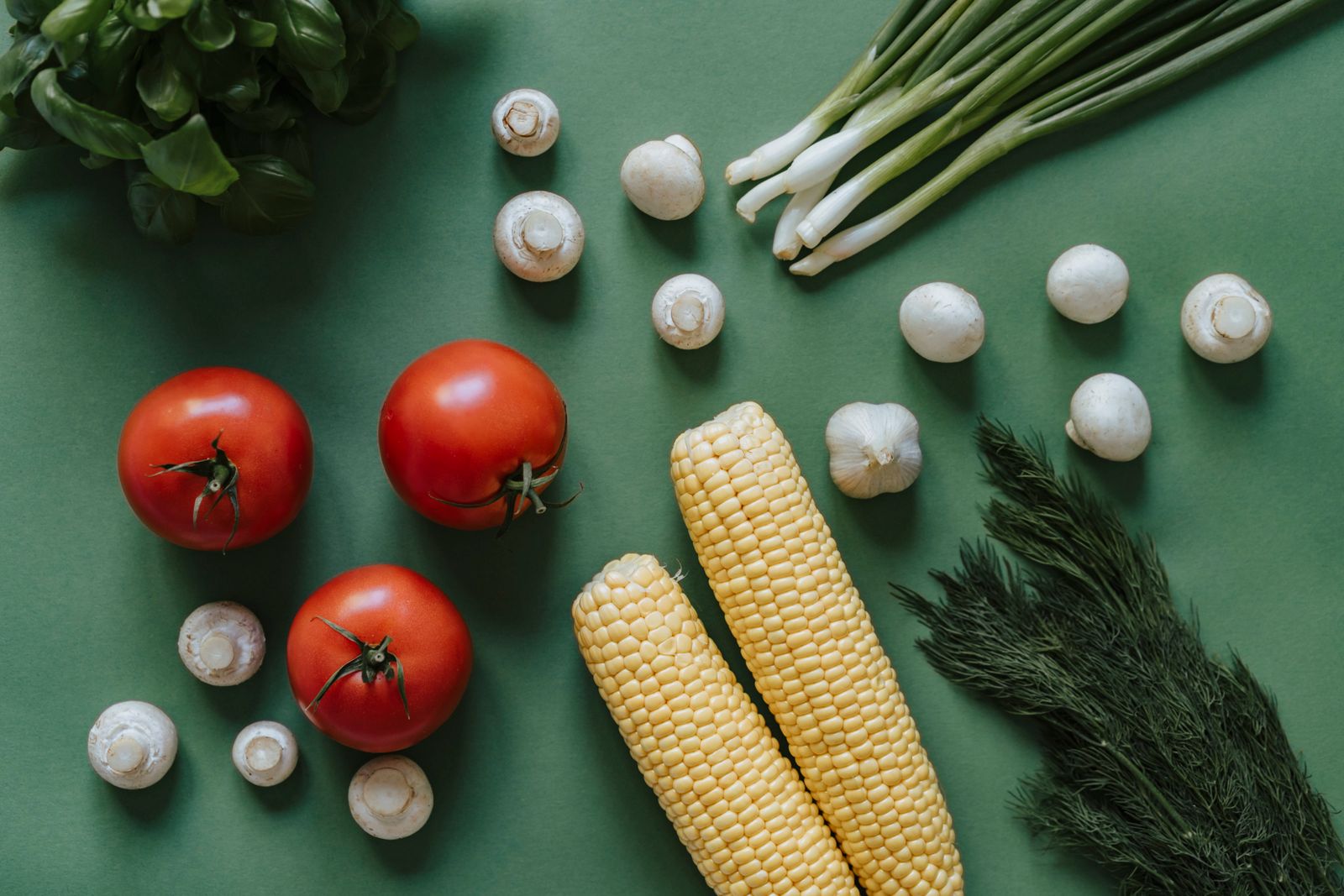
January to March
- Nalo Farms mixed greens
- Hamakua ali'i mushrooms
- Waialua asparagus
The wettest months give us the best leaf. Asparagus runs six to eight weeks and then it is gone.
On the boardCharred asparagus and ali'i mushroom donburi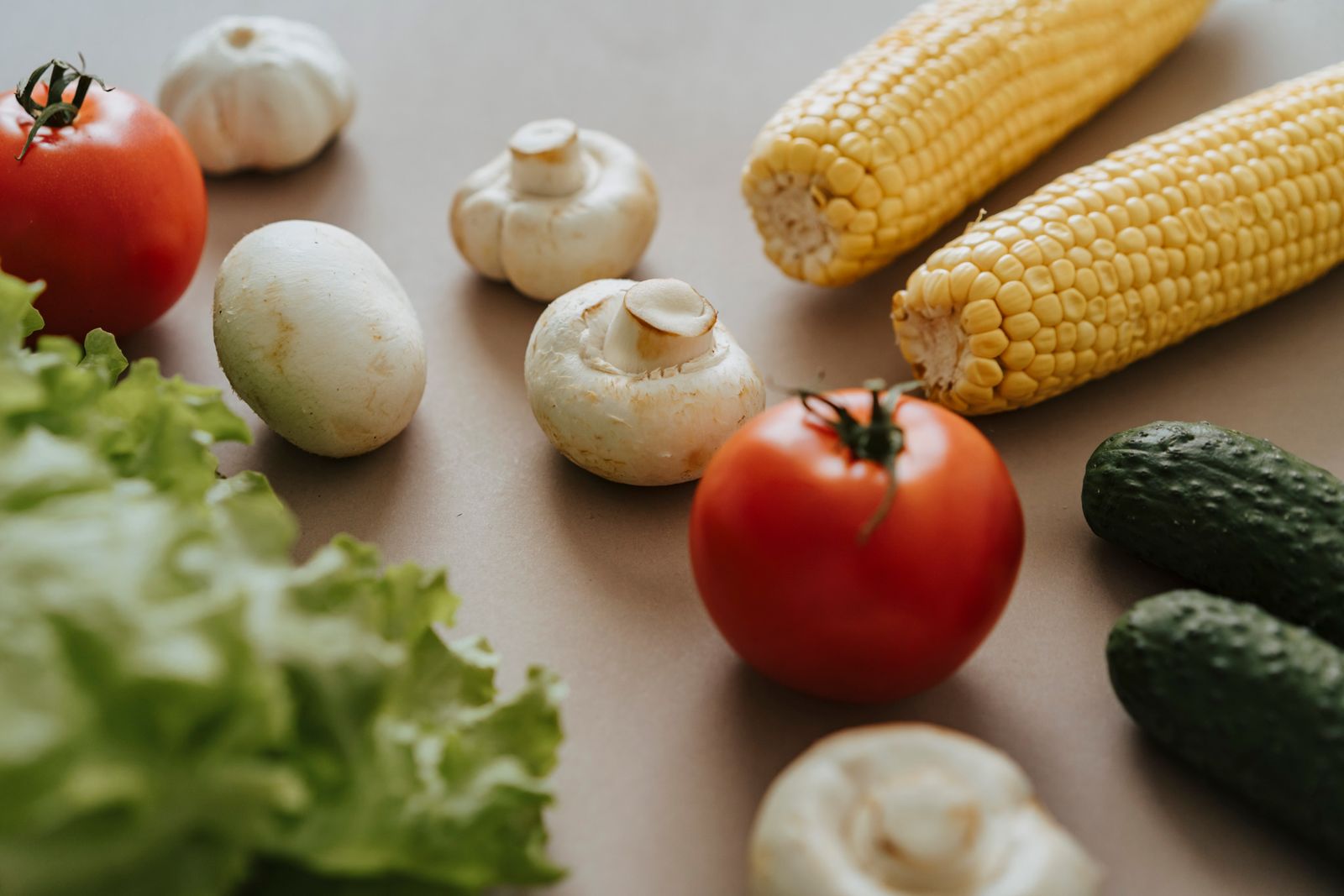
April to June
- Kahuku sweet corn
- Sumida Farm watercress
- Big Island tomatoes
Corn goes in the shio bowl rather than the miso, because the salt tare lets the sugar show.
On the boardKahuku corn and butter shio ramen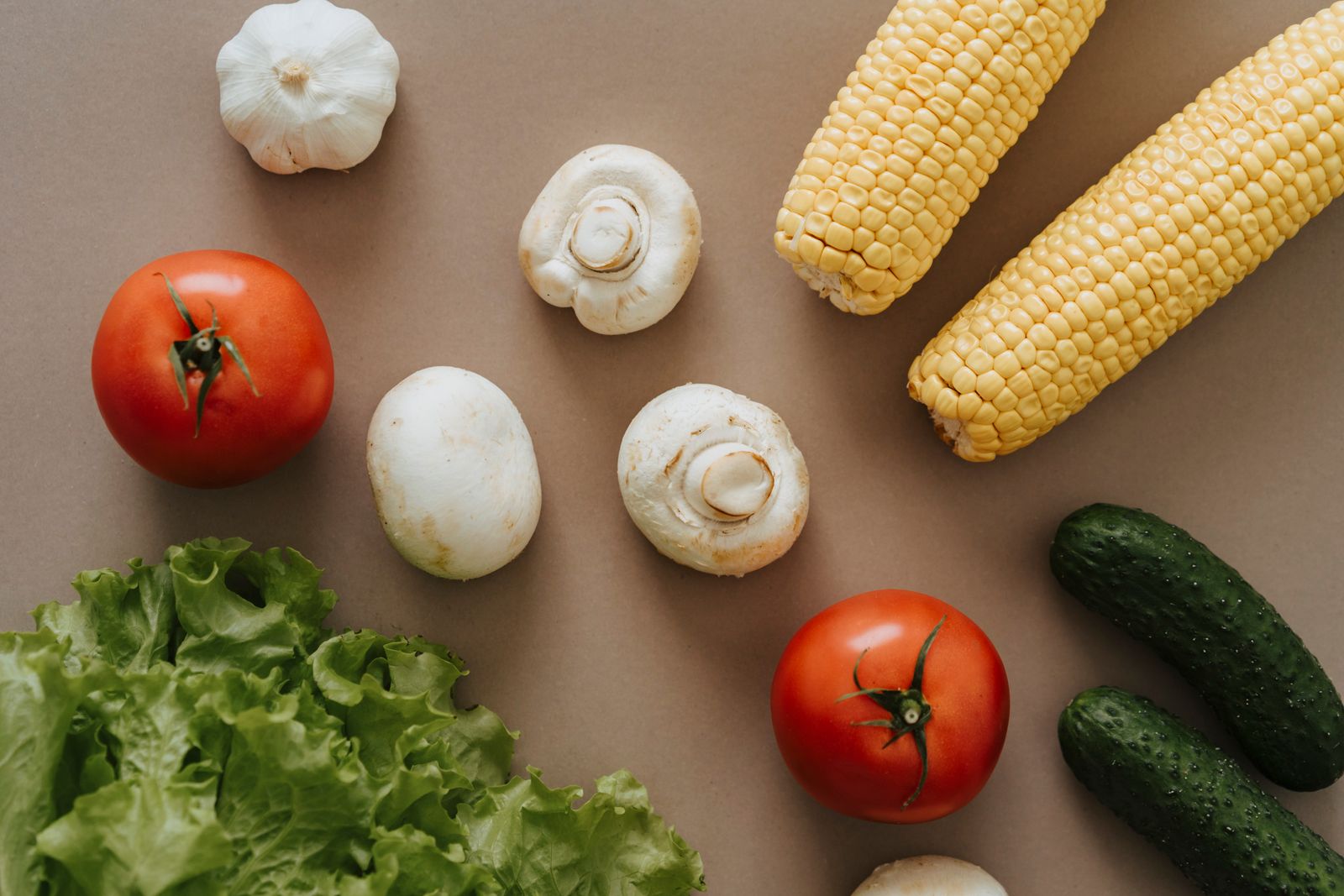
July to September
- Lilikoi
- Hawaiian chili pepper
- Kauai shrimp at peak
We press our year of chili pepper water in August, when the peppers are cheapest and hottest.
On the boardChili pepper water tsukemen, lilikoi daifuku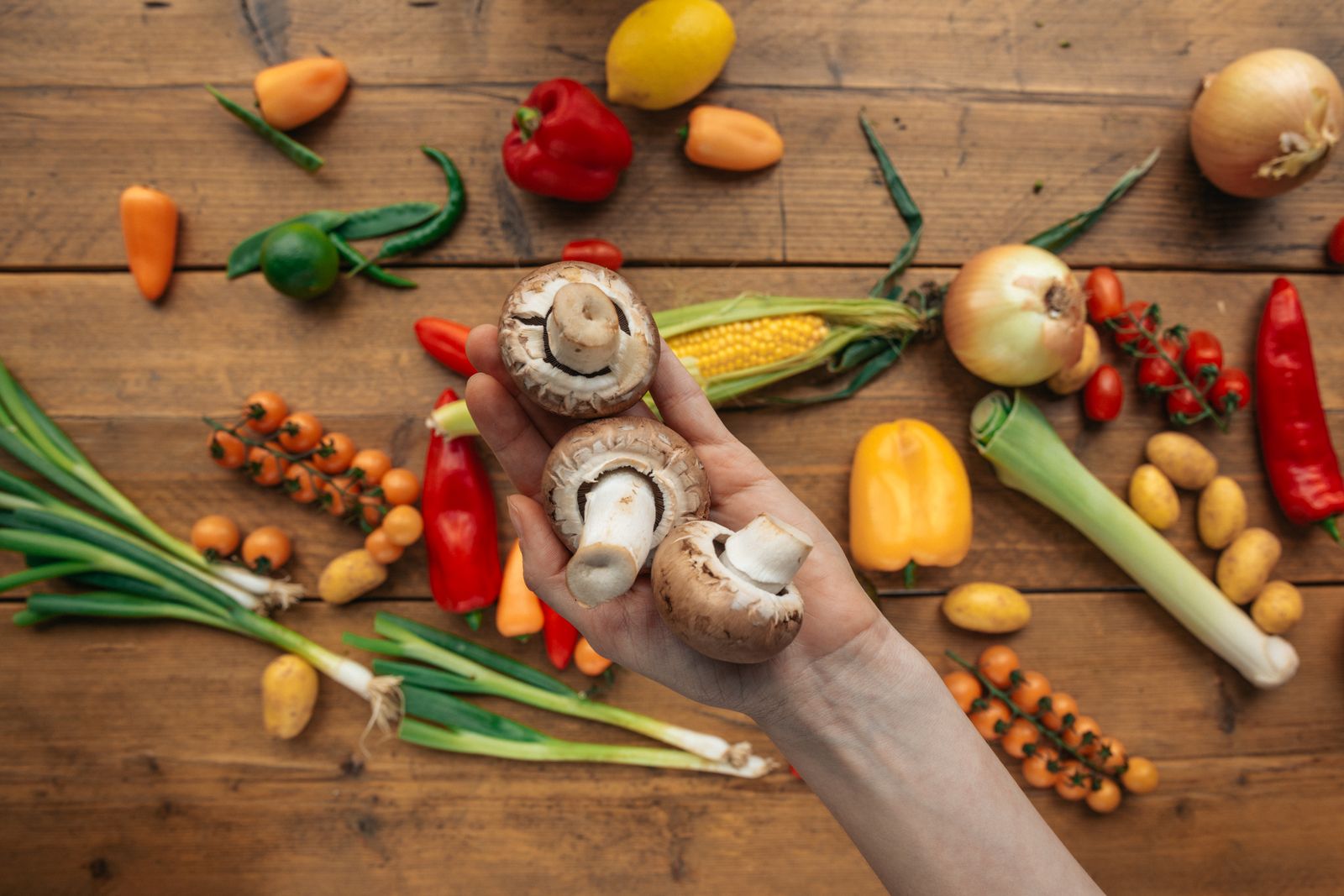
October to December
- Kabocha
- Molokai sweet potato
- Ewa onion
Kabocha is roasted whole and pureed into the tare, which thickens the bowl without cream.
On the boardKabocha and white miso ramen
Six suppliers, none further than an island hop
Where the food actually comes from
Short chains mean fresher food and it means we know who to call when something is wrong. The bar shows the distance from the Kakaako kitchen.
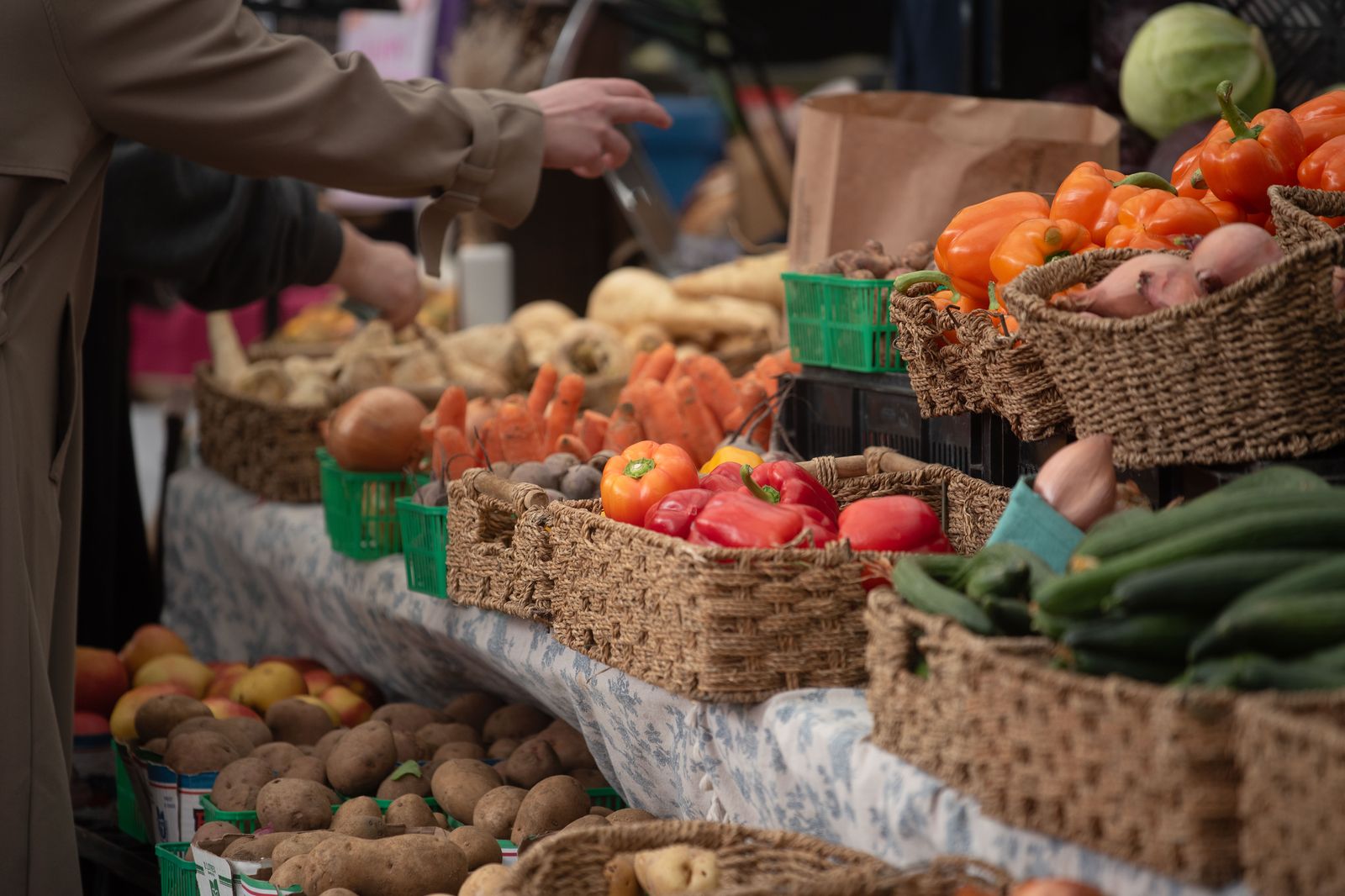
Kalihi noodle mill
Wheat noodles, three cuts
Hosomen, chijiremen and futomen are extruded to our hydration and kansui level and delivered daily at 6 am. Nothing is more than eighteen hours old when it hits the water.
Kalihi, Oahu4 mi away, since 2019Waimea pork
Femur, trotter, belly, shoulder
Whole-animal buying. We take the bones nobody else wants, which is the only reason an 18-hour broth pencils out.
Waimea, Hawaii Island195 mi away, since 2019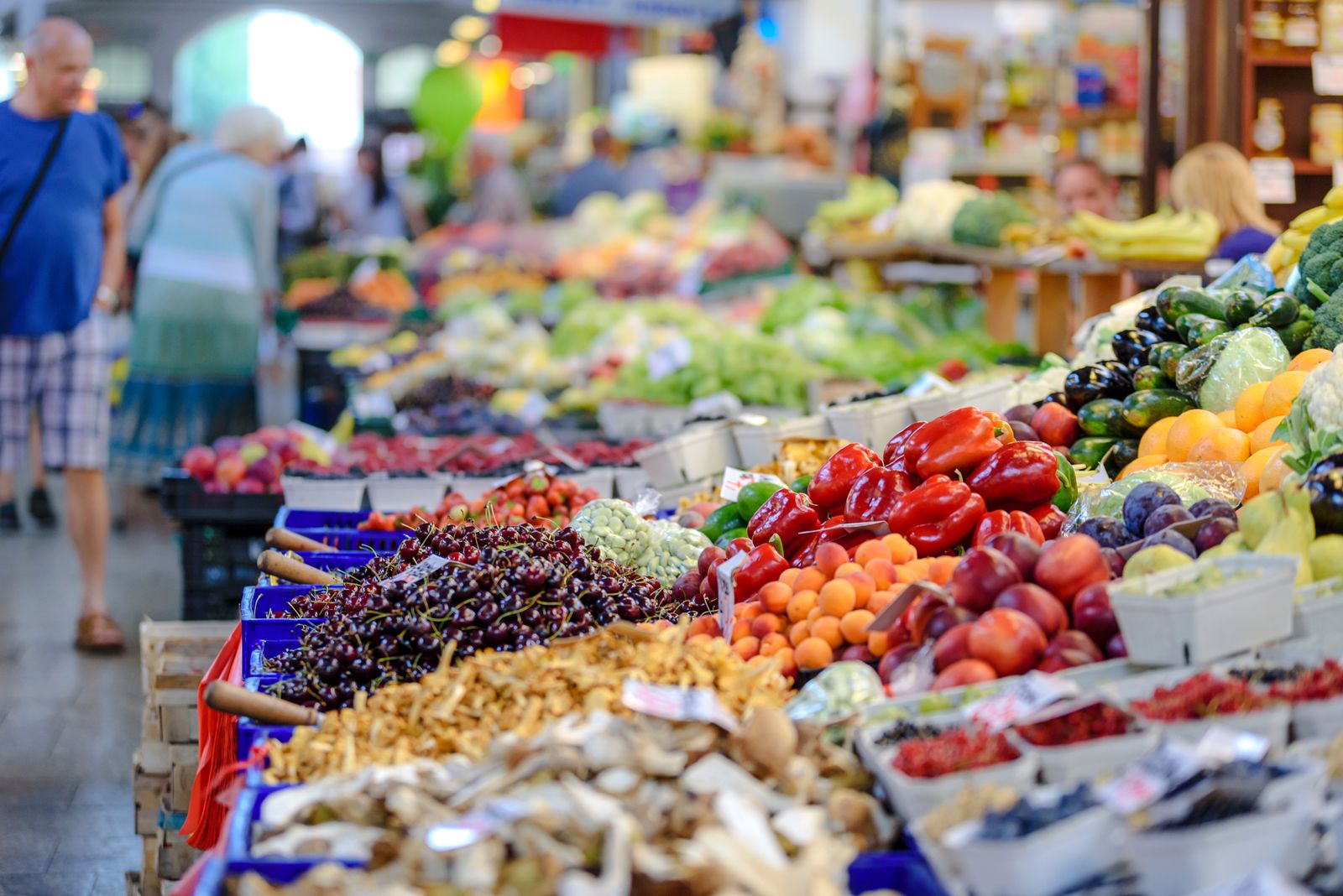
Nalo Farms
Leaf, herbs, cabbage
Cut Tuesday and Friday mornings, in our walk-in by 9 am. The specials board is written after the box is opened.
Waimanalo, Oahu16 mi away, since 2020Hamakua mushrooms
Shiitake, ali'i, hon-shimeji
The shiitake are dried in-house on racks above the pass for four days before they go anywhere near the vegan dashi.
Laupahoehoe, Hawaii Island215 mi away, since 2020Kekaha shrimp ponds
Head-on prawns
Delivered head-on and shelled here, because the heads go into the shio broth and the shells into the tempura oil aroma.
Kekaha, Kauai105 mi away, since 2021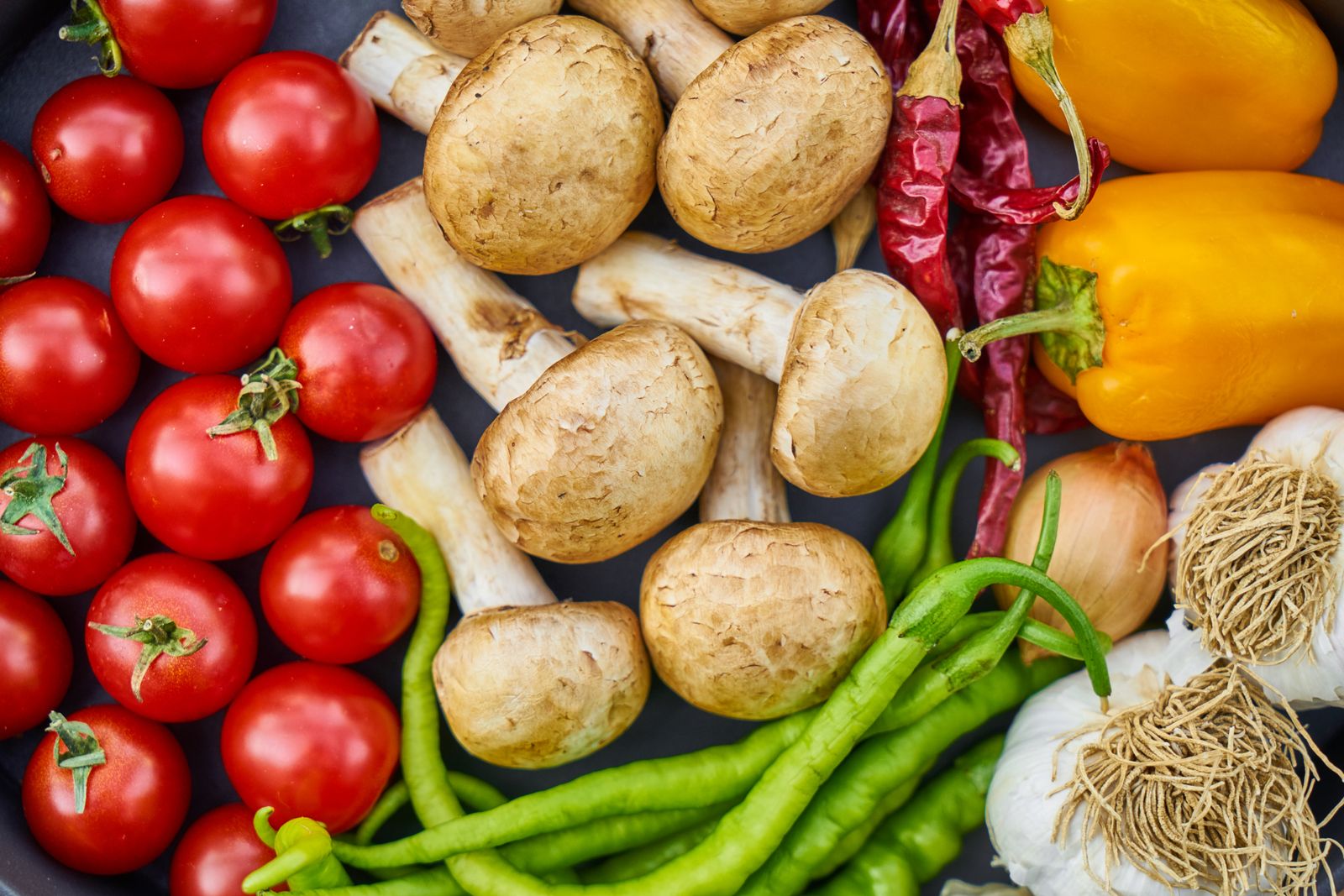
Kalihi tofu maker
Silken and firm tofu
Made overnight and collected at 7 am. Silken for the agedashi and mapo, firm for the plant-based station.
Kalihi, Oahu4 mi away, since 2019
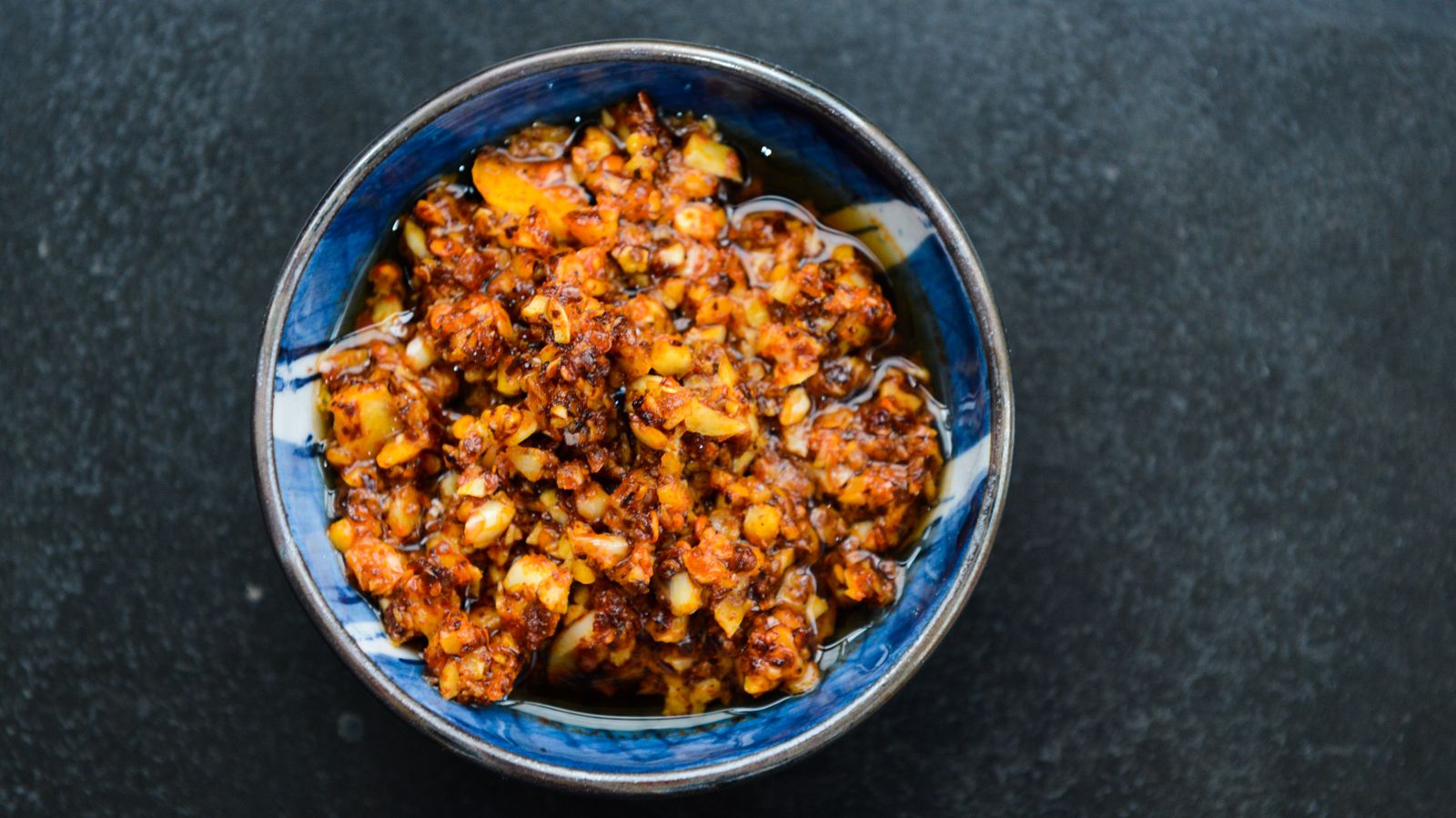
Our chili oil: Hawaiian chili pepper, Sichuan pepper, garlic and sesame, bloomed at 250F and rested two days before it goes near a bowl.
Ask by number, not by adjective
The chili scale
Hot is not a measurement. Every level below is a weight, so the bowl you liked last month is the bowl you get tonight.
- 0
Plain
No chili oil at all. The kitchen default for every bowl except the spicy miso and tantanmen.
Nothing added.
- 1
Kiss
A quarter spoon stirred through. You will notice the aroma before you notice the heat.
2 g chili oil, no flakes.
- 2
Warm
Where most guests land. Enough to make the back of the throat tingle, not enough to change how the broth tastes.
5 g chili oil.
- 3
House
How the spicy miso leaves the pass. Heat arrives with the second mouthful and stays through the bowl.
8 g chili oil plus a spoon of aka miso.
- 4
Sting
Sichuan pepper joins the chili, so this one goes numbing as well as hot. The tantanmen ships at this level.
12 g chili oil, 1 g ground sansho.
- 5
Hammer
Ask for it by name. We will bring water without being asked and we will not take it back off the bill.
18 g chili oil, 2 g sansho, fresh Hawaiian chili.
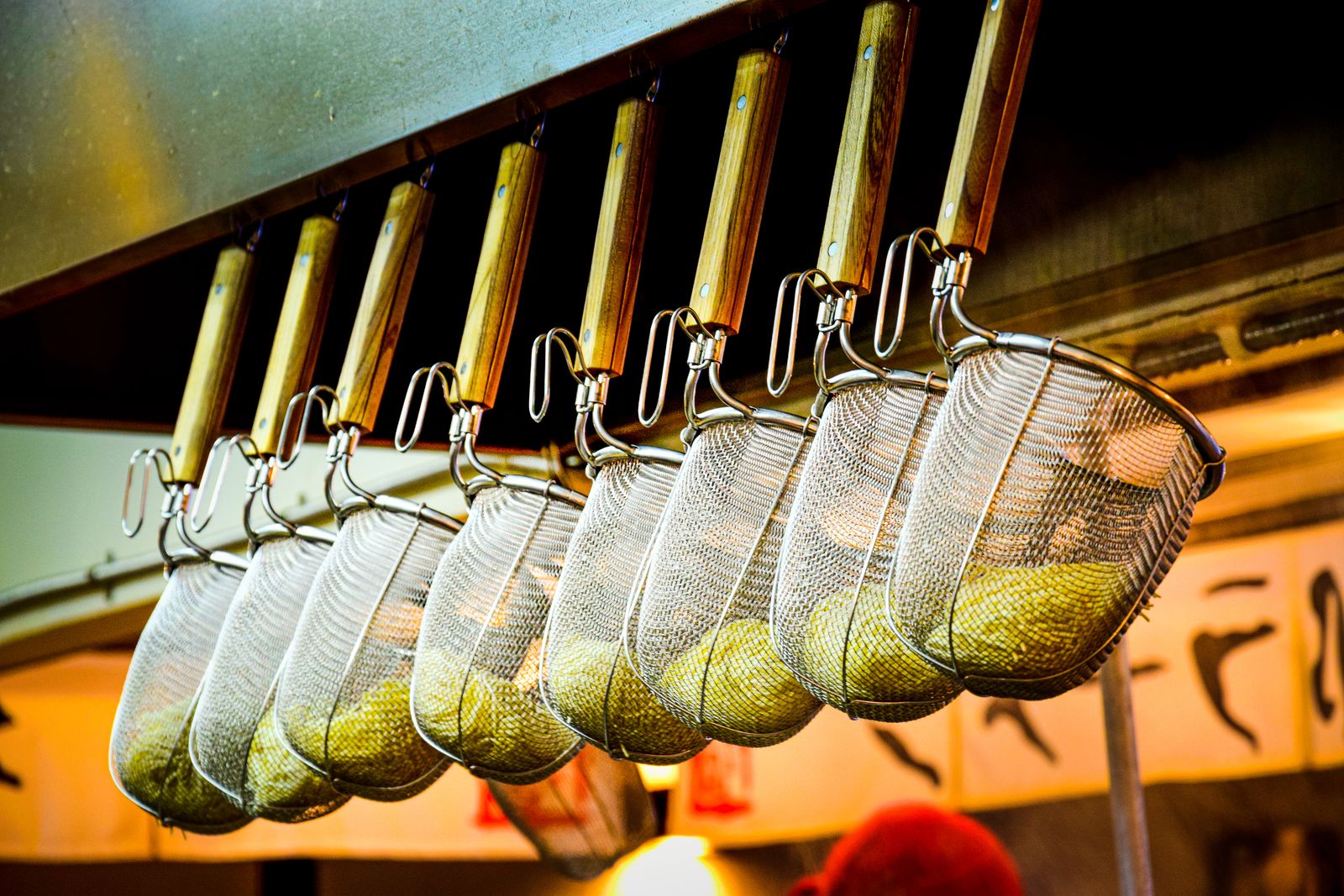
Watch it from the counter
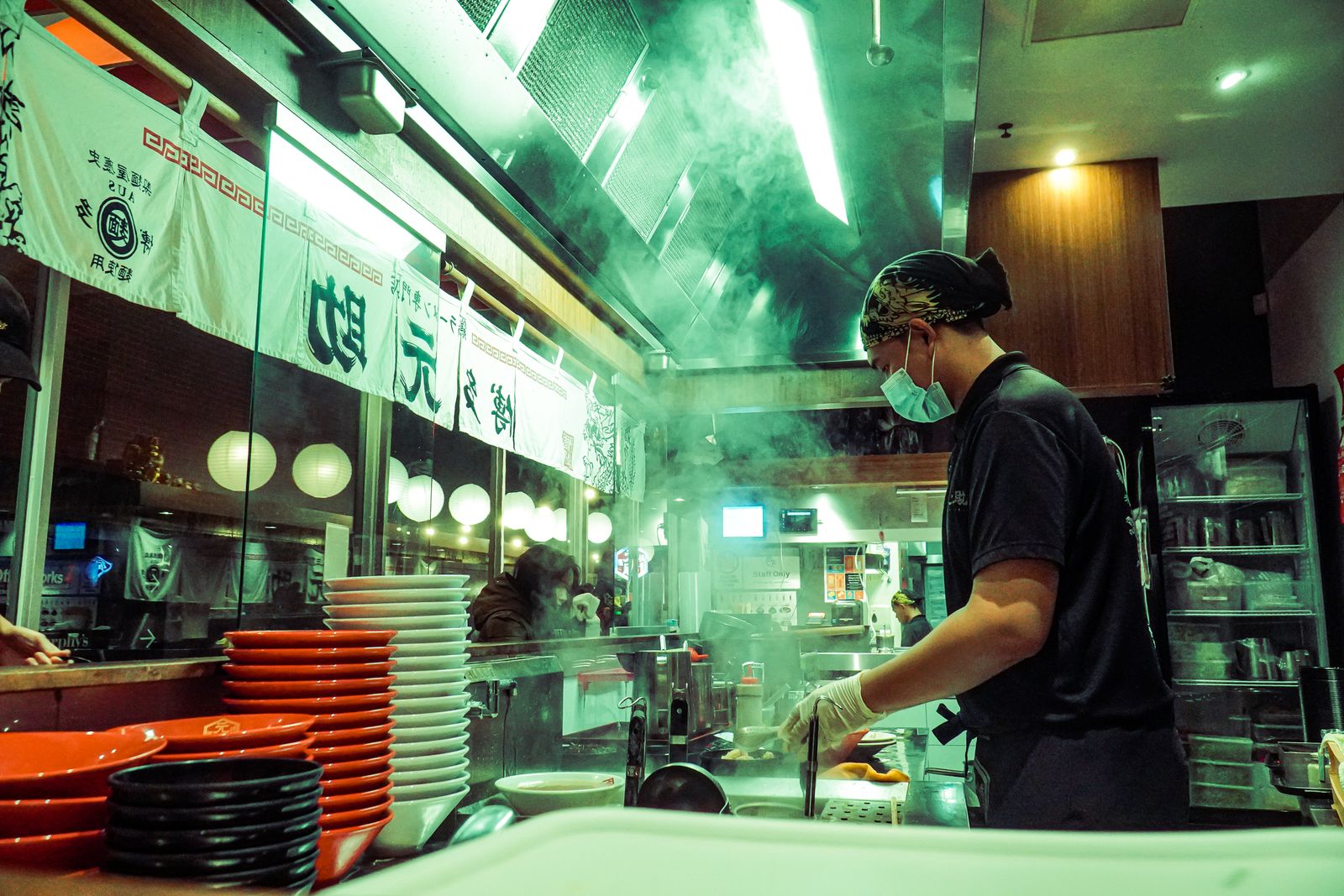
Fourteen stools face the pass at Kakaako. Book one and you will see the noodle basket, hear the times called and get the bowl handed straight across.