What it actually takes to answer an allergen question honestly
A separate pot is the easy part. Here is what else has to be true before a server can tell you a bowl is safe, and where we still say no.
The most common thing a restaurant does with an allergy question is guess confidently. The second most common is refuse to engage at all. Neither is useful to someone who just wants to know whether they can eat dinner.
We track nine allergens across every dish on the menu: gluten, dairy, egg, soy, sesame, shellfish, peanut and tree nut, fish, and pork. Pork is not an allergen in the clinical sense, but it is the single most common thing people need to avoid in a ramen shop, so it lives in the same matrix.
The matrix comes before the training
Every dish is broken down to its components, and every component to its ingredients, before it goes on the menu. Not the dish description, the actual build. Our karaage marinade contains shoyu, which contains wheat. Our chili oil contains sesame. Our tempura dipping sauce contains bonito, which makes it a fish allergen in a dish most people think of as shellfish.
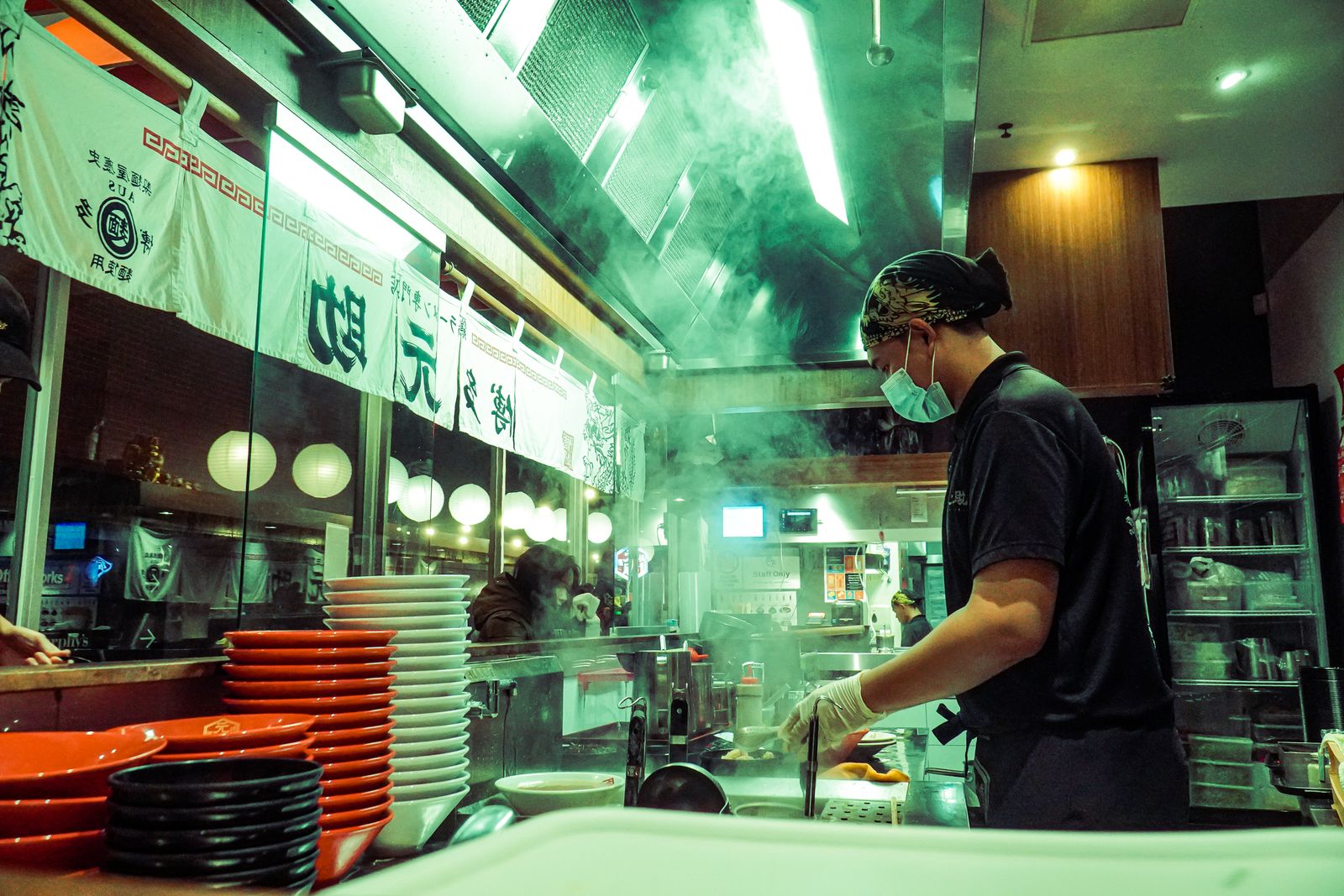
That work produces a one-page card that sits under the counter at all three shops and the full matrix published on this website. Servers learn it before their first shift and are refreshed quarterly. Nobody is asked to remember it from conversation.
Removable is a separate column
There is a difference between an ingredient sitting on top of a bowl and one cooked into the broth. We mark that difference explicitly.
Sesame, egg, nuts, dairy and chili are usually assembly-stage items, so they can come off. Pork, fish and soy are in the tare and the stock, cooked in hours before your ticket printed. If a bowl lists them, they cannot be removed, and a server who tells you otherwise is inventing.
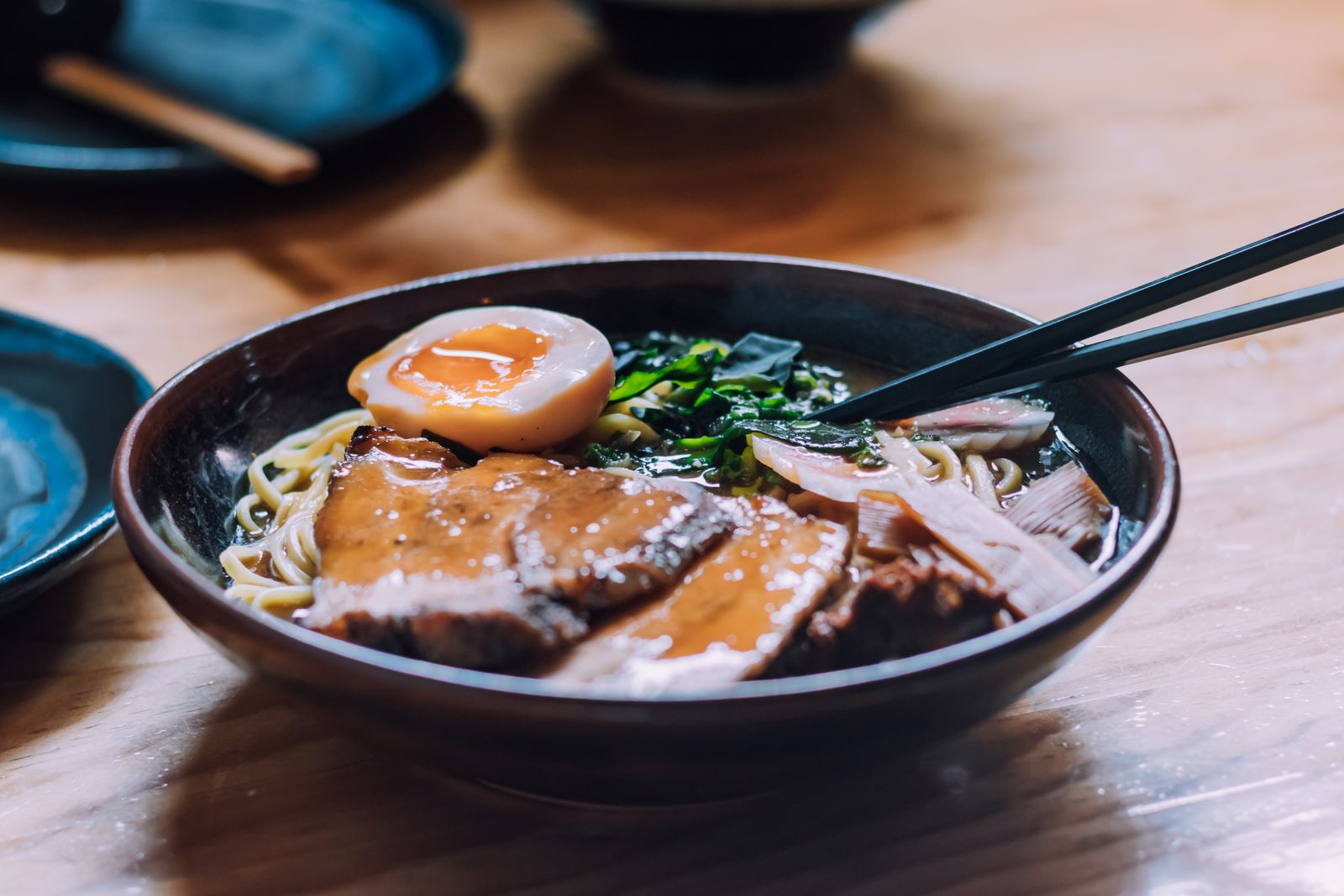
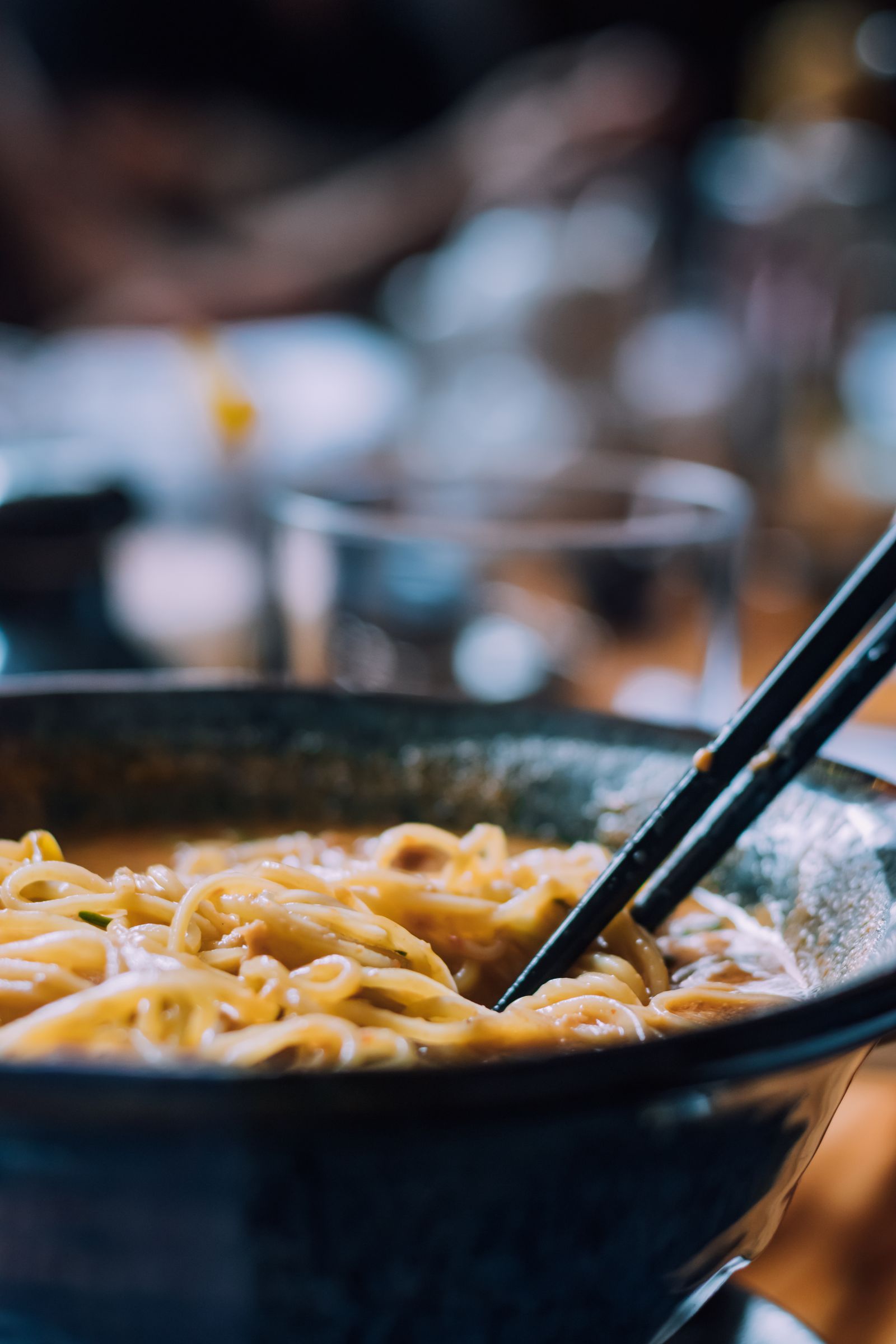
There is a difference between an ingredient on top of a bowl and one that has been in the pot since 4:30 am.
The plant-based station
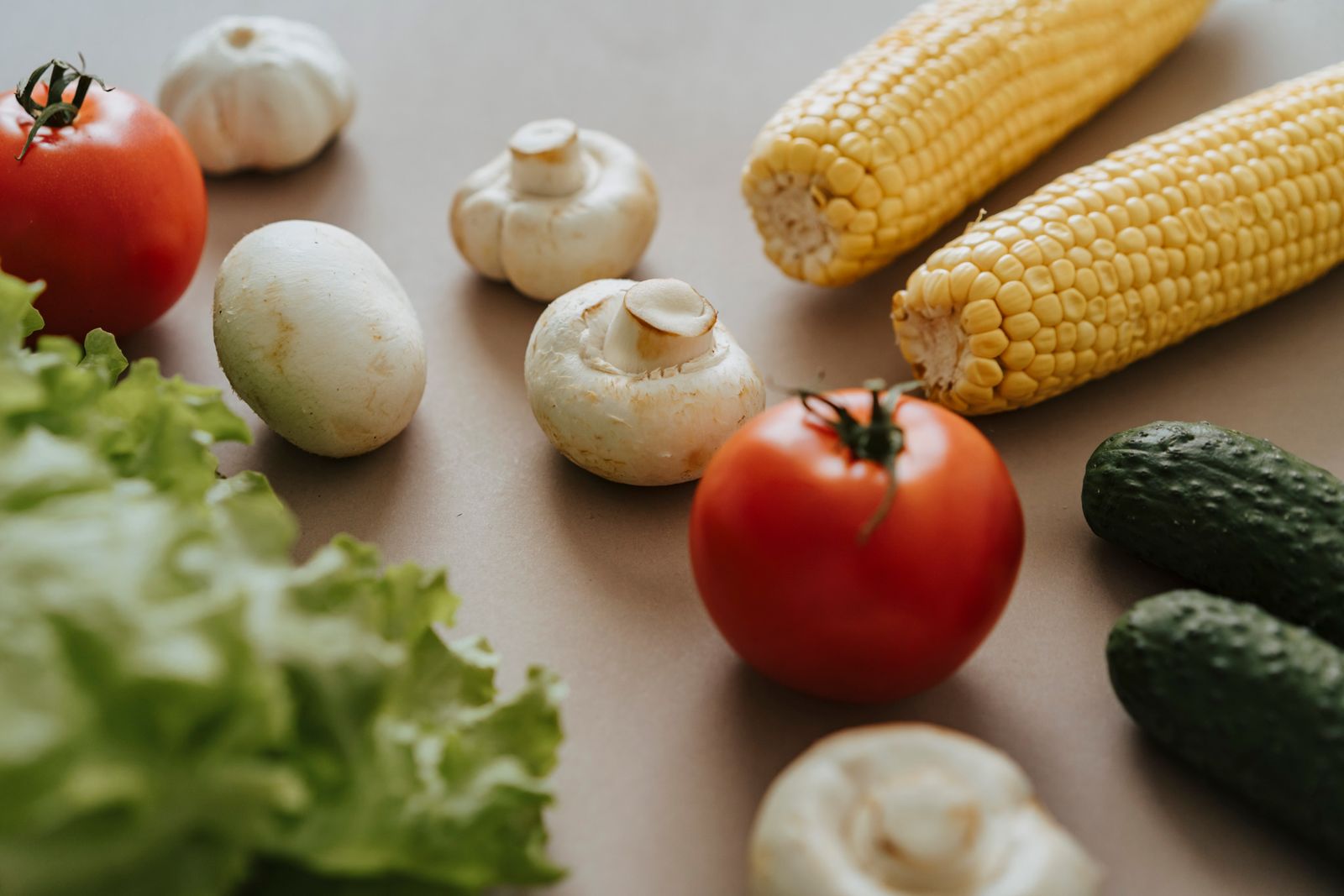
Our vegan bowls are cooked on a station with its own pot, its own noodle basket, its own boards and its own tongs. The kombu shiitake dashi never shares a vessel with pork. That is genuine separation and it is why we are comfortable calling those dishes vegan rather than vegetarian-adaptable.
- Dedicated stock pot for the kombu shiitake dashi
- Dedicated noodle basket, colour-coded, stored separately
- Dedicated boards and tongs, washed on their own cycle
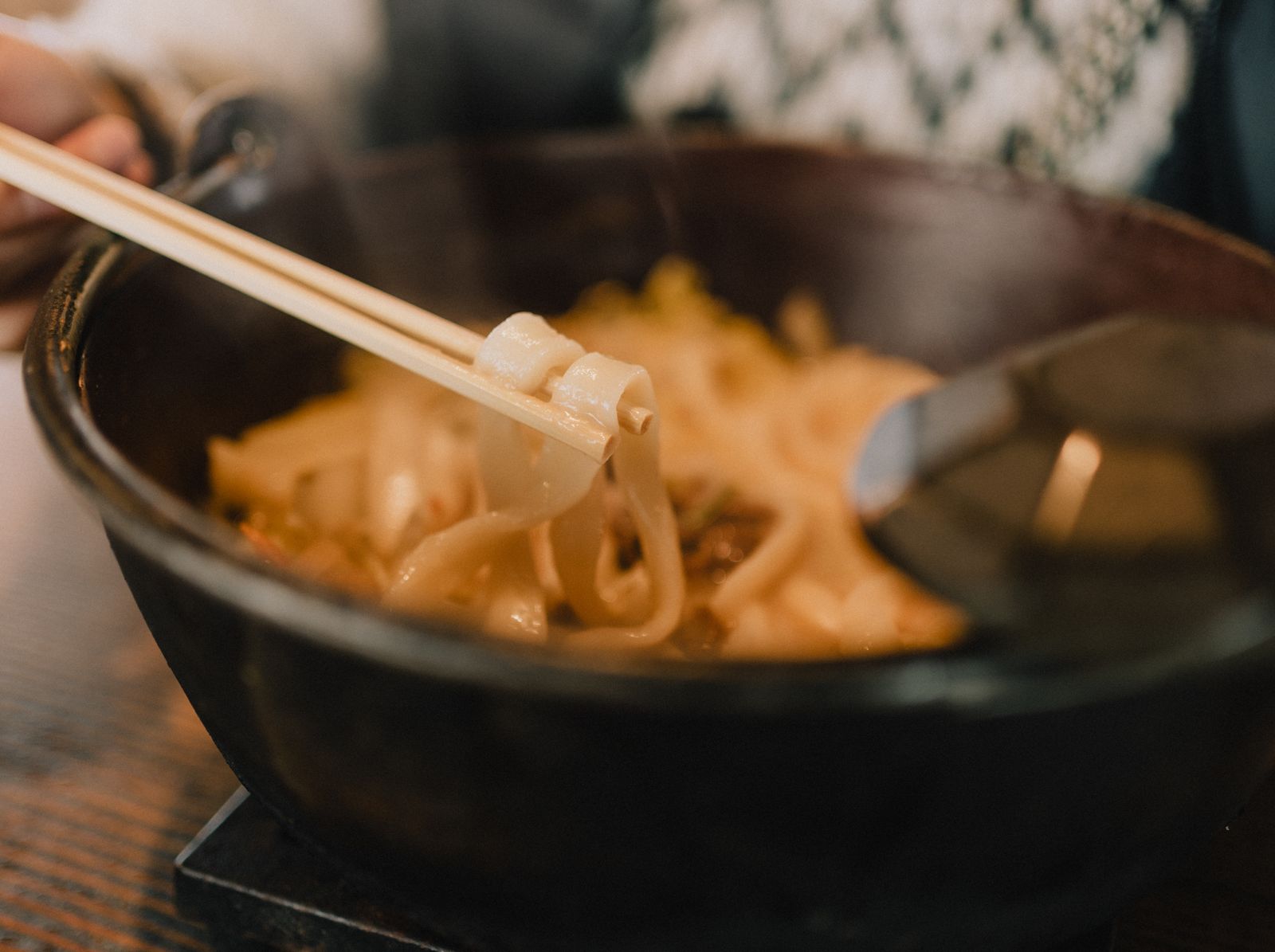
- Rice noodles cooked in a third basket for wheat avoidance
Where we say no
We do not claim any dish is gluten-free. Our noodles are wheat, our shoyu is wheat, and the kitchen handles flour all day on a line that is metres wide. We can get close with rice noodles and a salt tare, and we will tell you exactly what remains, but the word free implies a guarantee we cannot make.
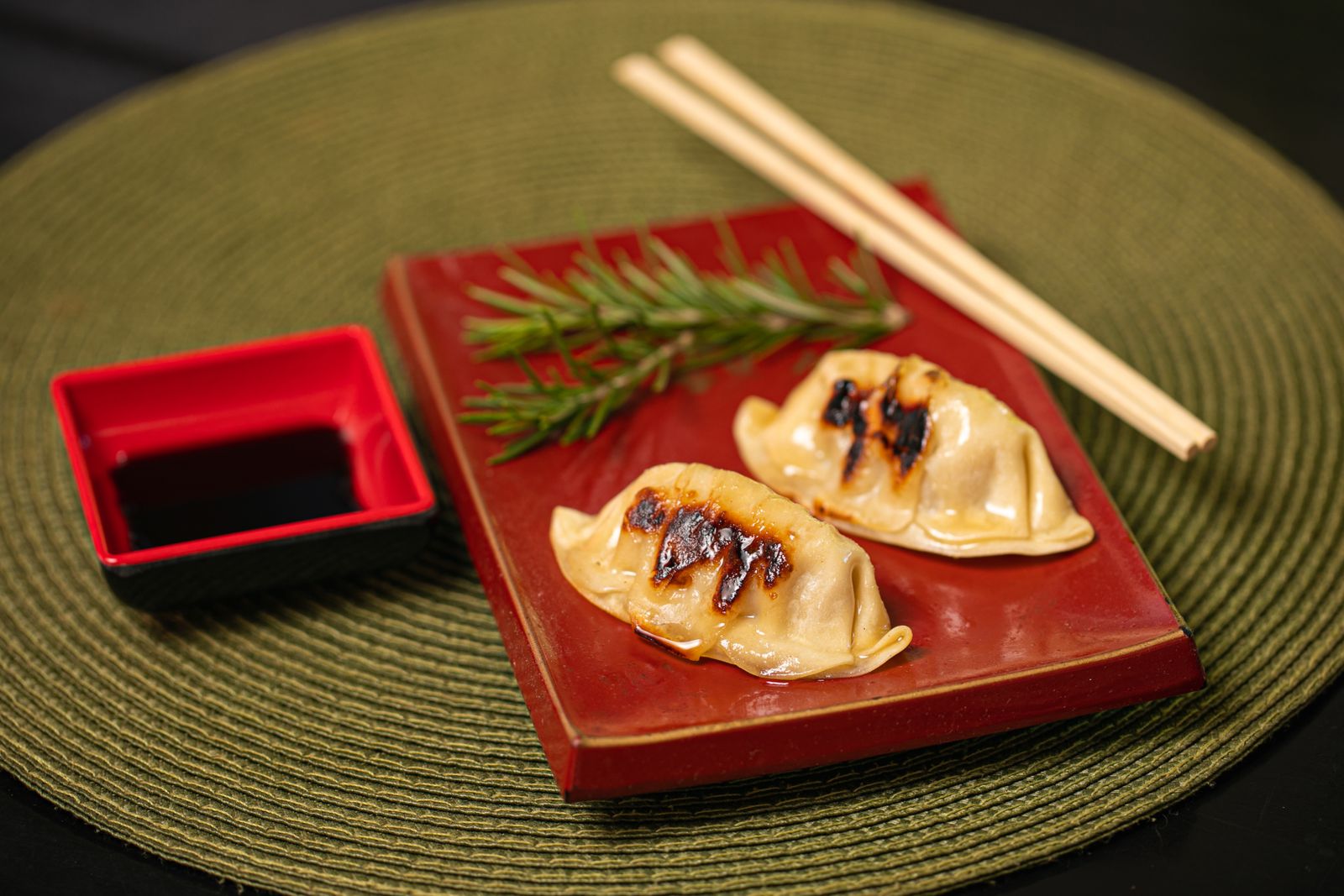
We also share fryer oil. The karaage, the tempura and the agedashi tofu all pass through the same fryer. For most guests that is irrelevant. For a severe shellfish allergy it is not, and that is a conversation we would rather have at the door than at the table.
Saying no in those two cases is what makes the yes in every other case worth anything.
How to ask us
Tell your server at the start, not when the bowl arrives. Name the allergen rather than the diet, because vegan and dairy-free and lactose intolerant lead to different answers. If it is severe, say so, and we will have the cook confirm the build before it leaves the pass.
You can also read the whole matrix before you leave the house. That is the point of publishing it.