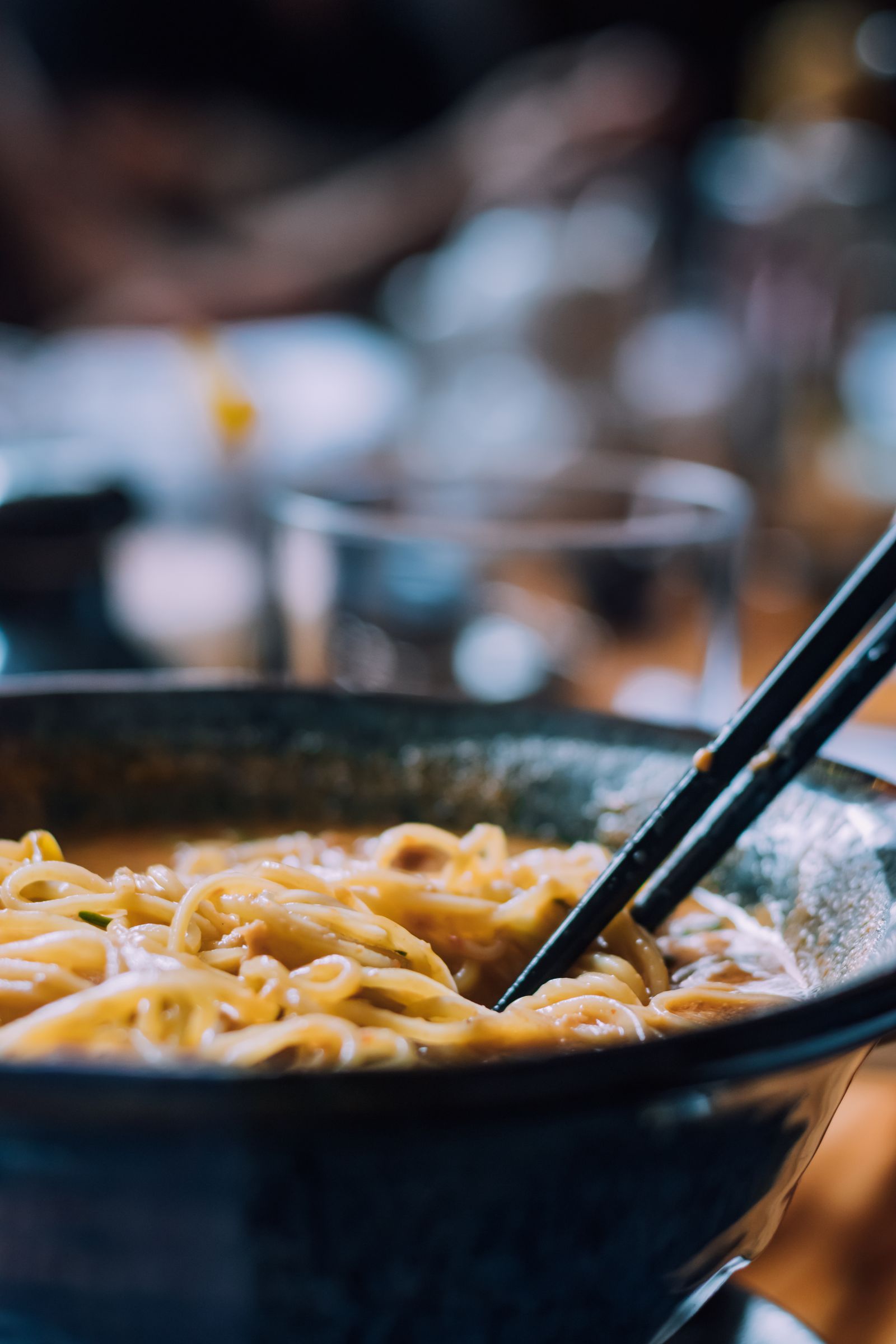
Kahuku corn in a shio bowl: cooking a Japanese menu with island produce
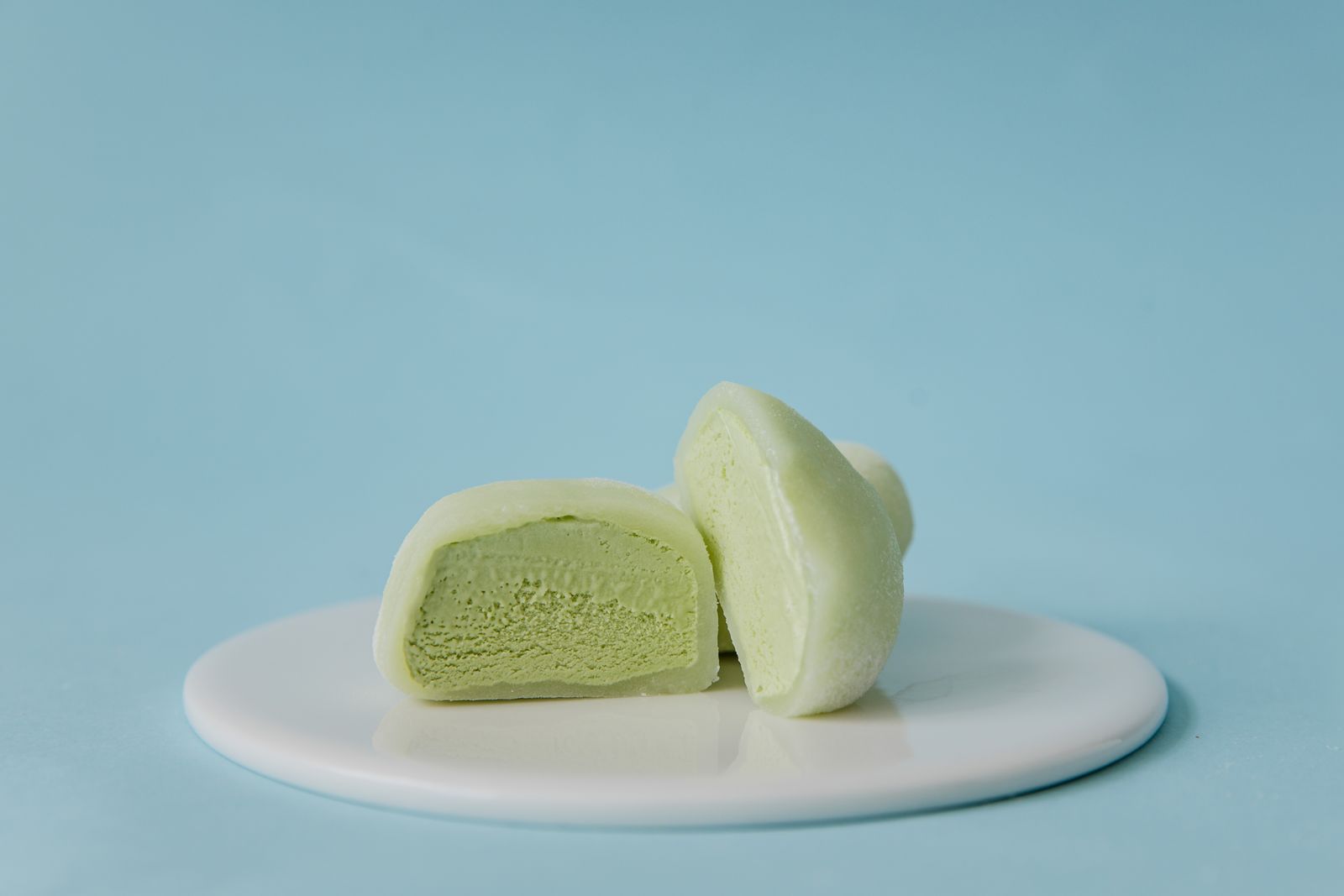
Sweet corn and butter are Hokkaido classics. Watercress from Aiea and lilikoi in a daifuku are not, and working out which swaps hold up took us three years.
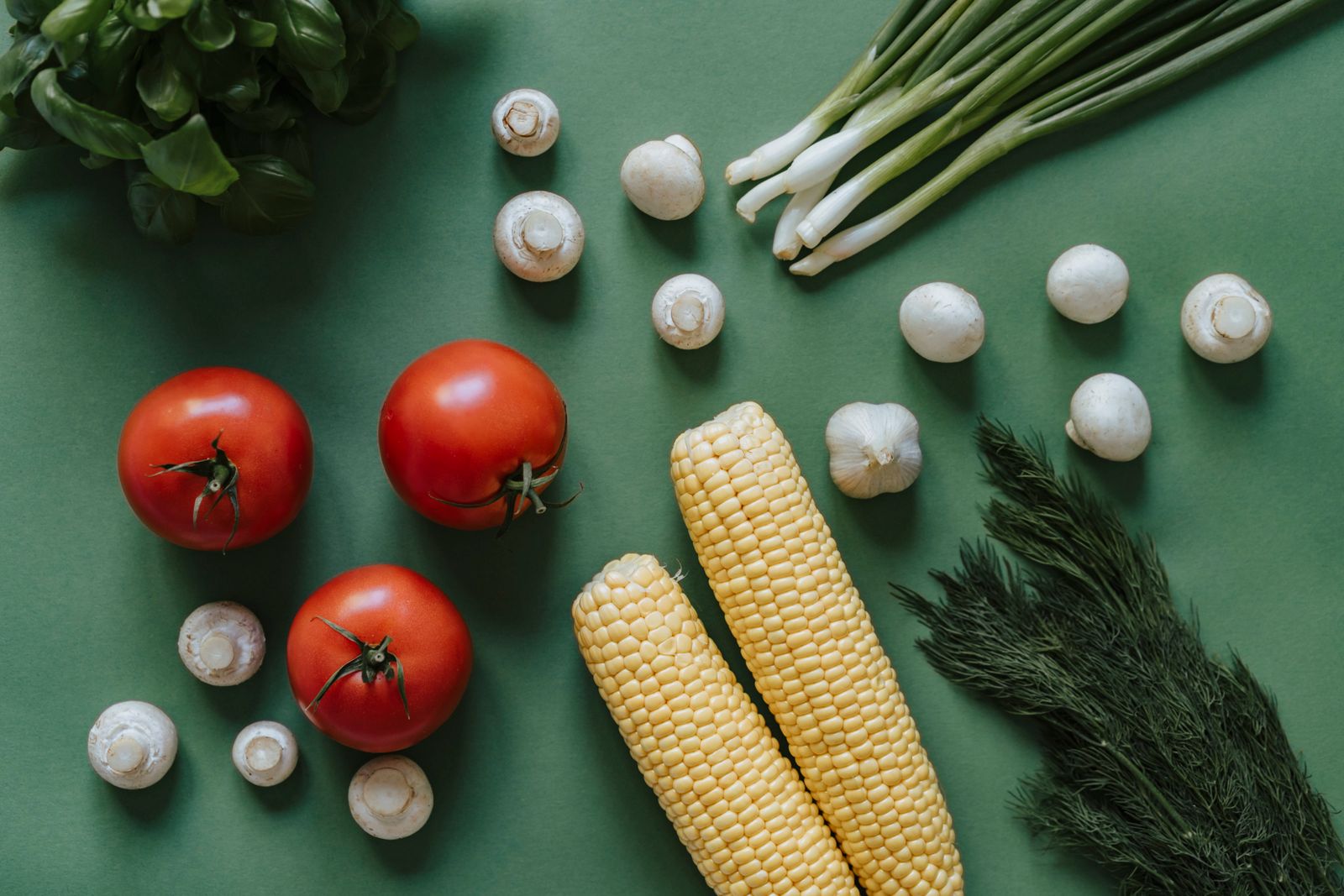
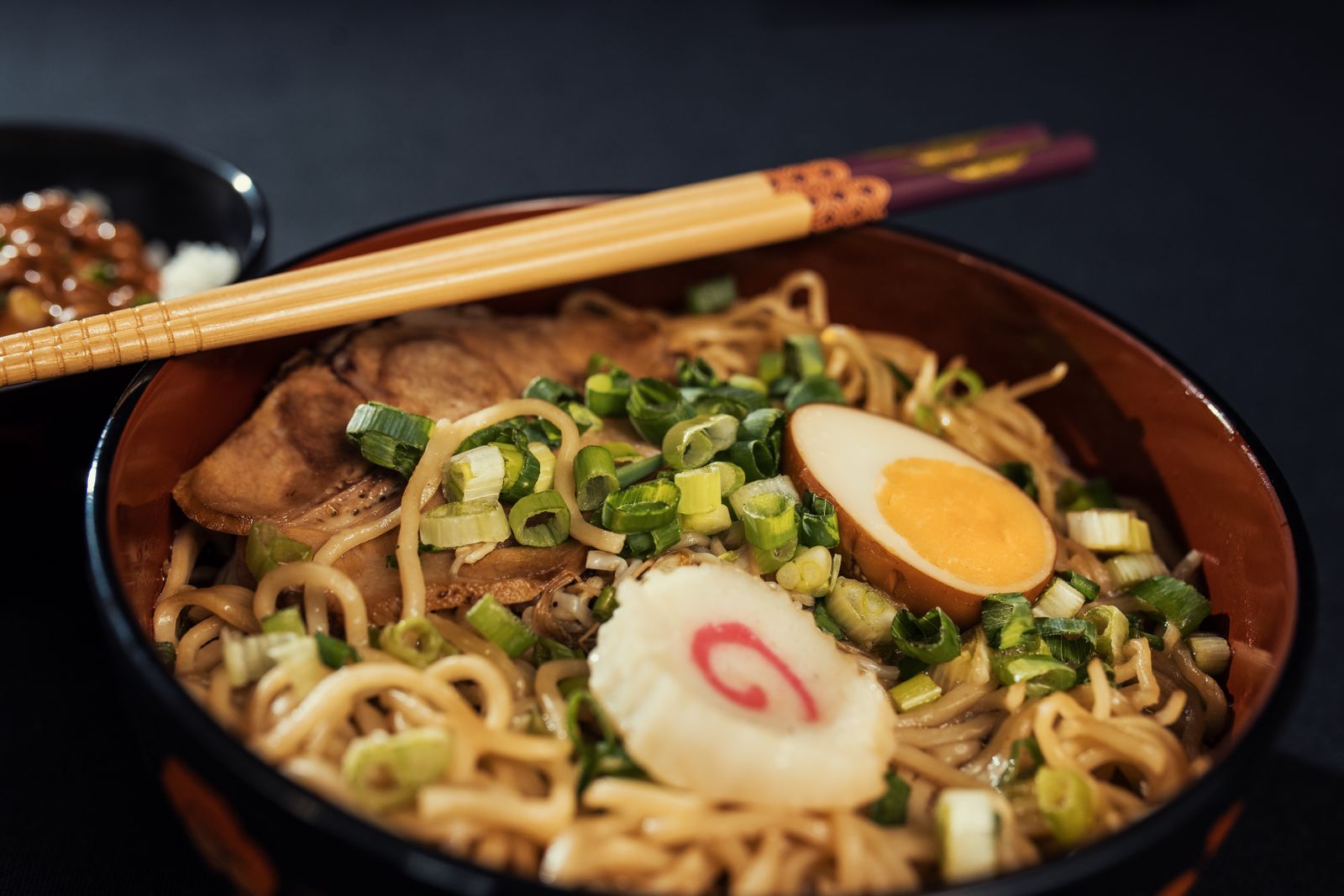
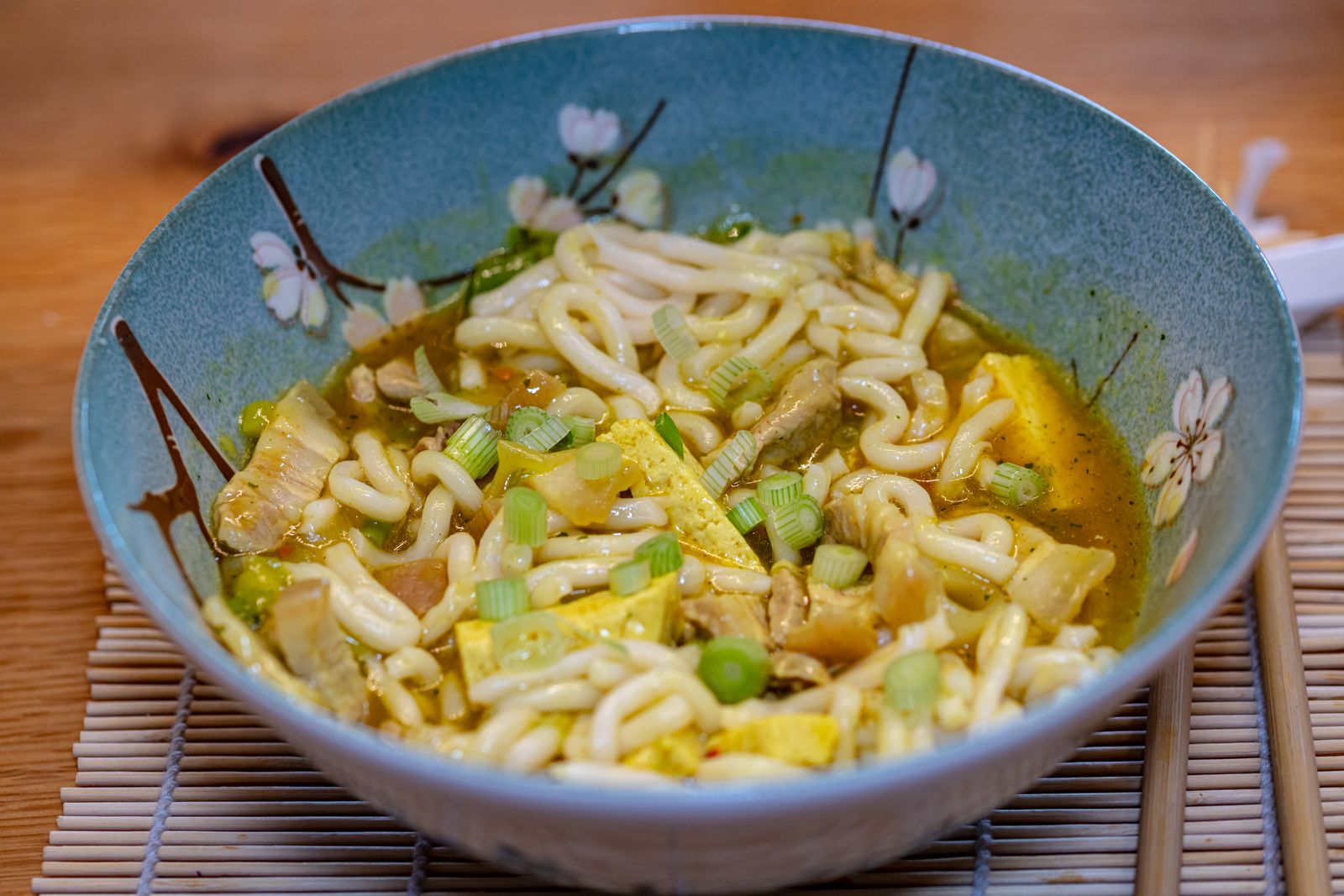
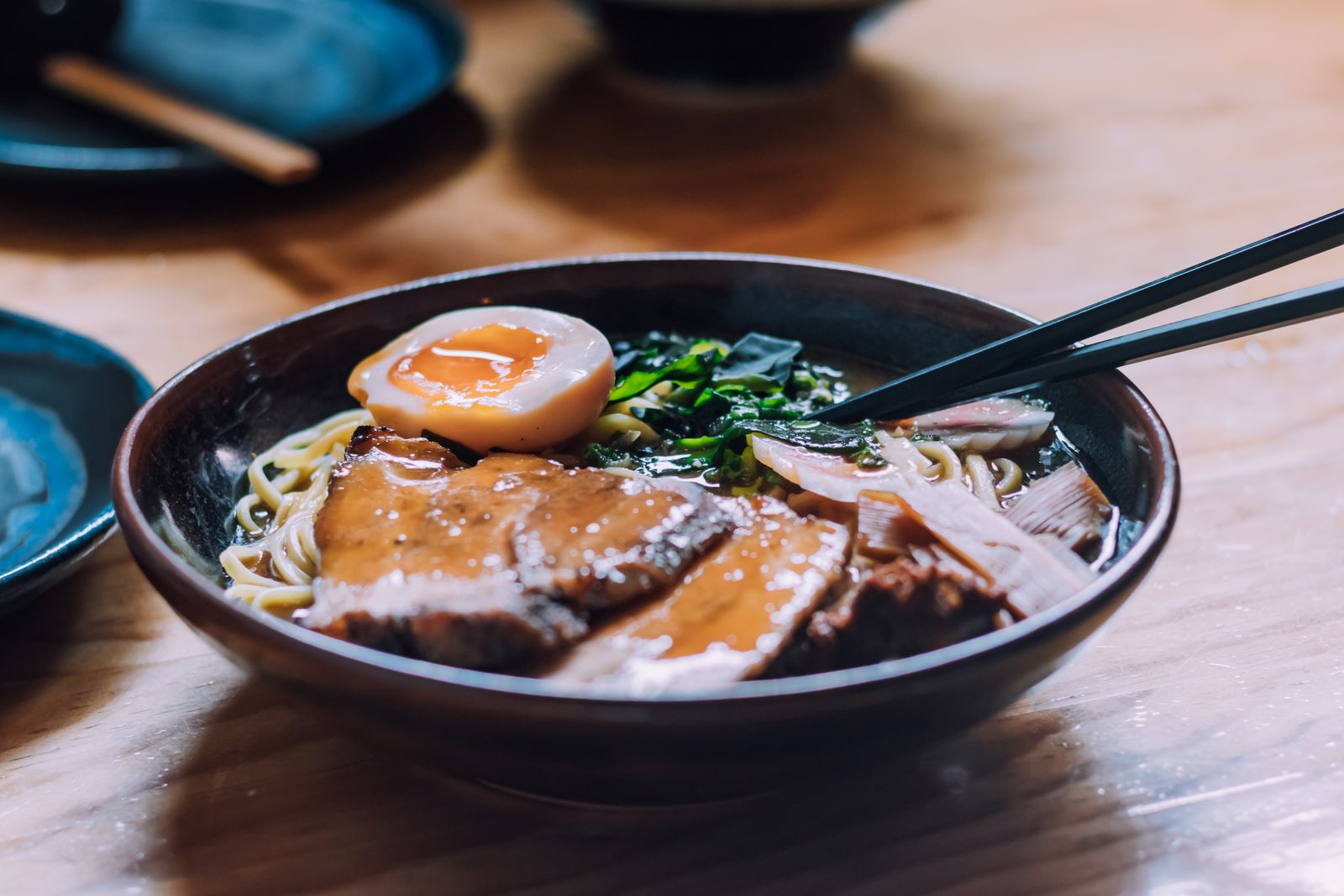
There is a lazy version of this idea where a kitchen puts pineapple on something, calls it local fusion and stops thinking. We wanted the opposite: a menu that reads as a Japanese noodle menu, made from things grown within two hundred miles, where the substitution is invisible unless you go looking for it.
Some of those swaps were obvious. Some took three years and a lot of bowls that never made it onto the list.
The ones that worked immediately
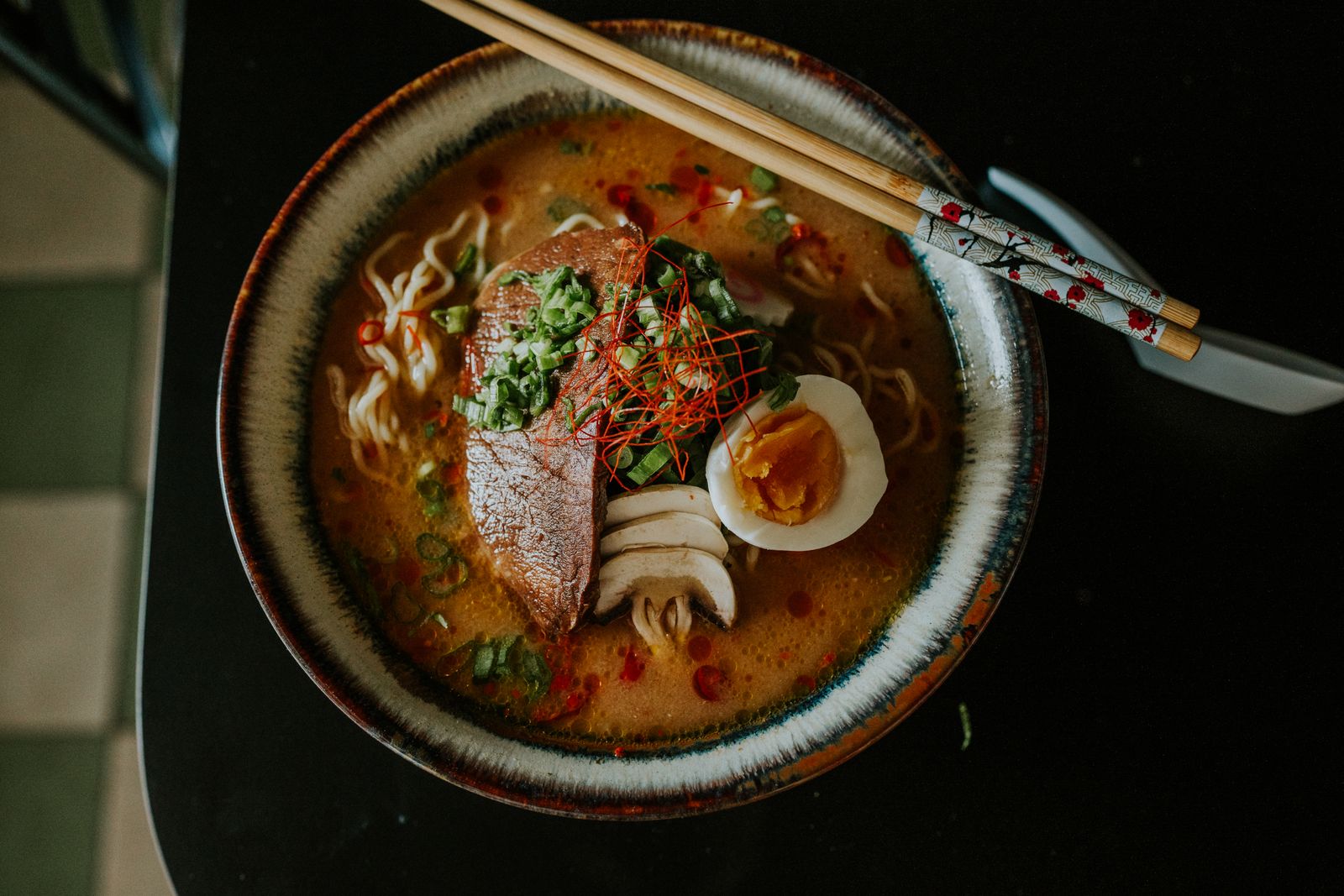
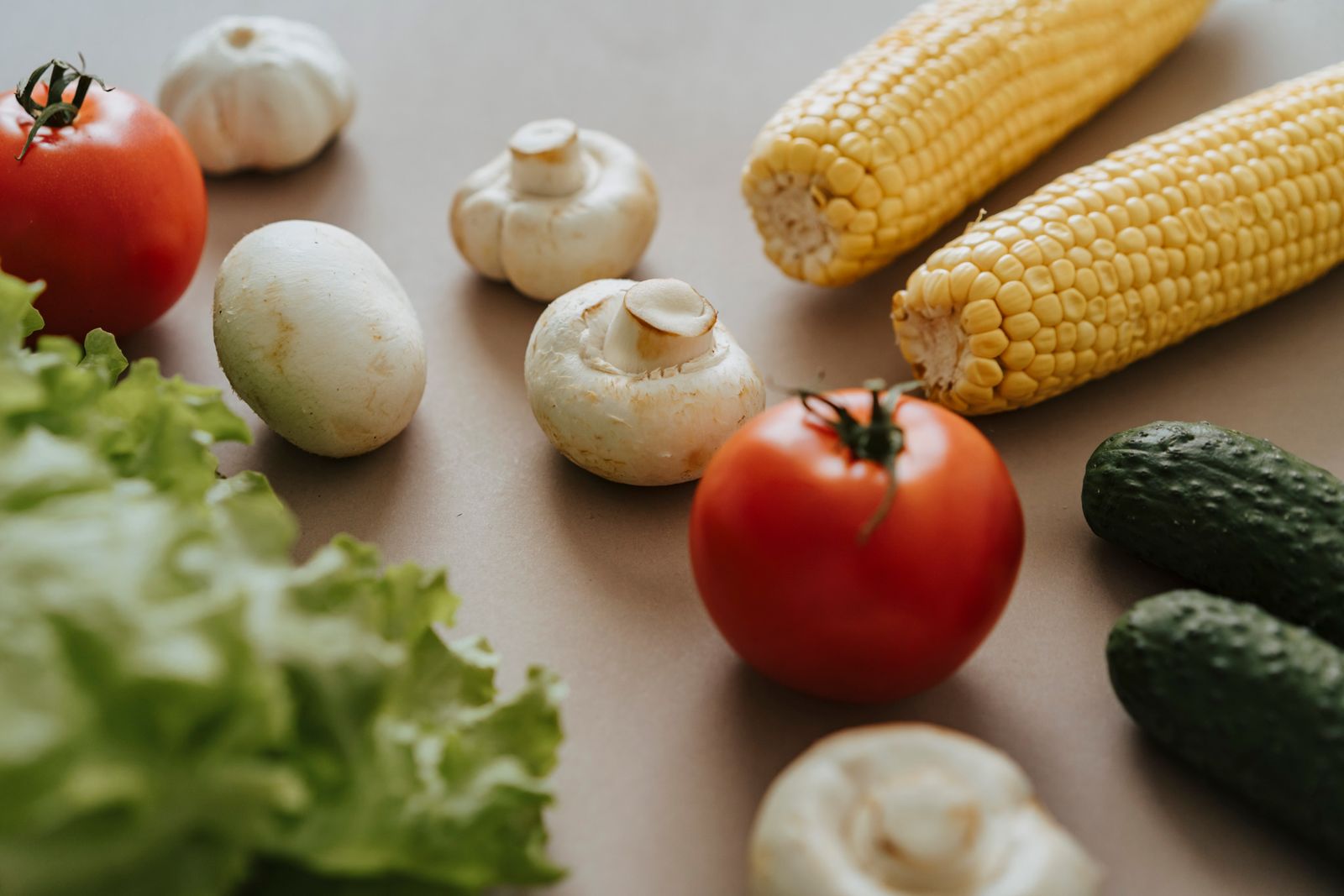
- Kahuku sweet corn in place of Hokkaido corn. Same sugar, same snap, and it is at its best from April to June, which is exactly when we want a lighter bowl anyway.
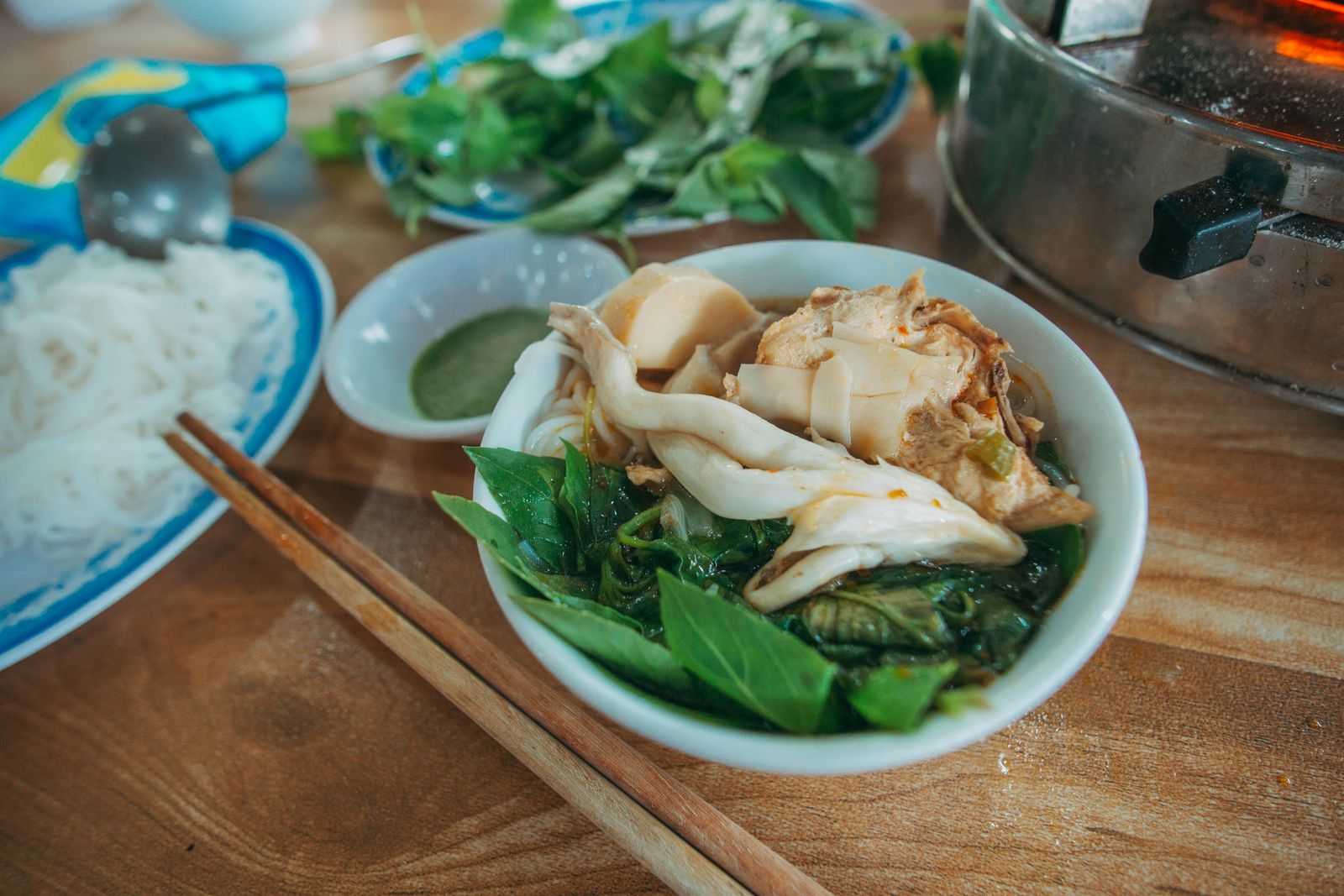
- Sumida Farm watercress instead of mizuna. Peppery, structural, and it holds its texture in hot broth for the length of a meal.
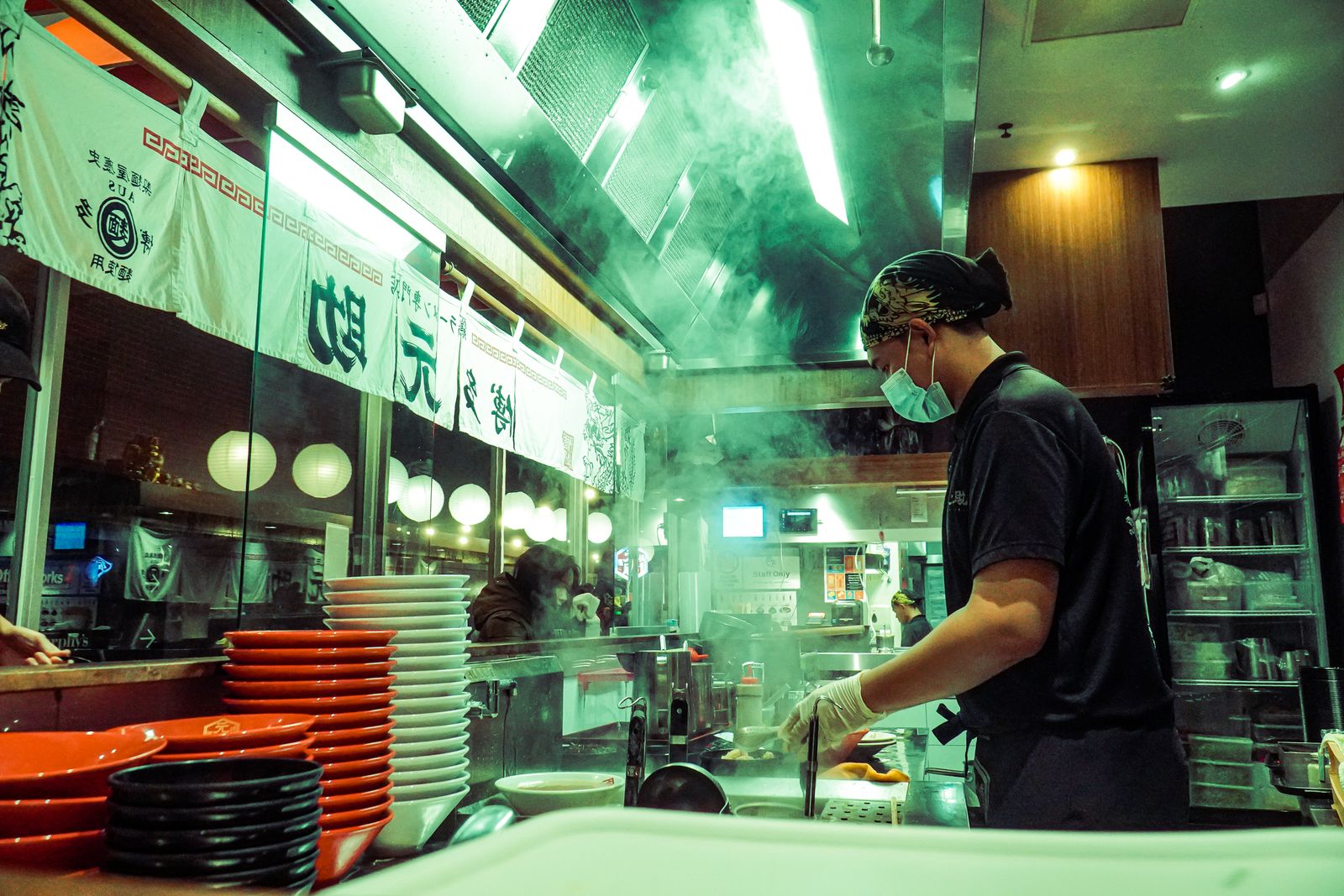
- Hamakua shiitake instead of imported dried shiitake. We toast and dry them ourselves on racks above the pass, which is the step that makes the vegan dashi taste of mushroom rather than tea.
- Hawaiian chili pepper in the chili oil. Hotter and fruitier than the usual dried chili, so we use less of it and get more aroma.
The ones that took work
Molokai sweet potato looked like a straight swap for satsumaimo. It is not. The flesh is wetter and much sweeter, so a straight substitution turned the autumn bowl cloying. It works in the tempura basket and it works roasted alongside kabocha, but it does not work pureed into a tare.
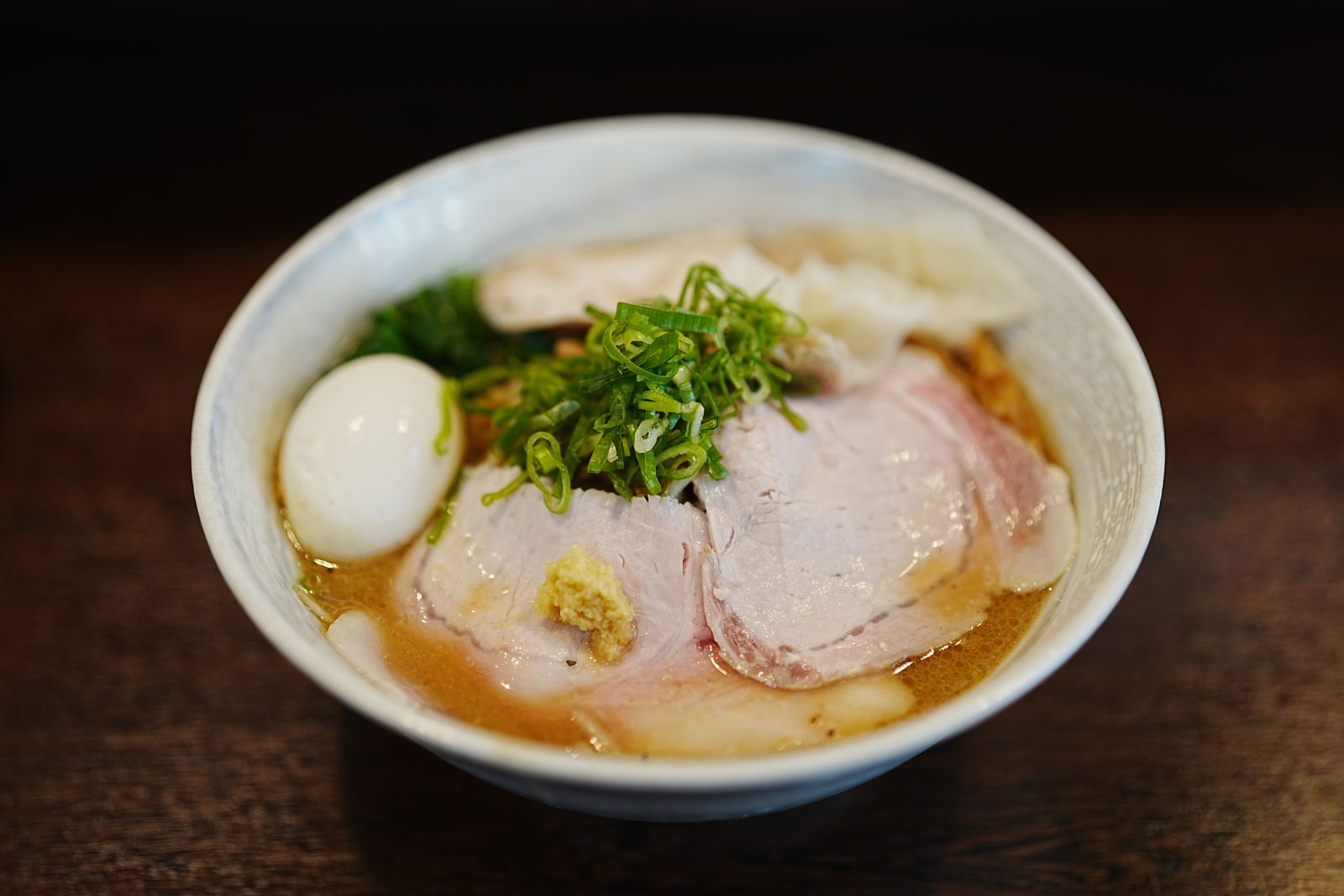
Local tomatoes were a longer argument. Tomato is not a ramen ingredient by any traditional measure, but a blistered Big Island tomato carries an enormous amount of glutamate, and a few of them roasted into the shio broth added depth without announcing themselves. That one is still a summer special rather than a menu fixture, because it only works when the fruit is genuinely ripe.
What we would not substitute
Kombu and bonito come from Japan and always will. There is no local equivalent for the specific glutamate and inosinate profile that makes dashi taste like dashi, and pretending otherwise would be a worse bowl dressed up as a principle.
The same goes for kansui in the noodles and for the barrel shoyu in the tare. Some things are the definition of the dish rather than an ingredient in it.
How the calendar drives the board
The Nalo box arrives Tuesday and Friday morning and the specials board is written after it is opened, not before. That is a small operational detail with a large effect: it means the board is honest, and it means nobody on the team has to pretend a limp bunch of greens is a special.
From January to March we lean on leaf and asparagus. April to June is corn and watercress. July to September is chili and lilikoi, and we press our whole year of chili pepper water in August. October to December is kabocha and sweet potato, and the bowls get heavier as the rain arrives.
It is four seasons in a place that supposedly has none. You just have to be buying from people close enough to notice.