How to read a ramen menu without asking a single question
Tare, kaedama, barikata, futsuu. Six words will let you order exactly the bowl you want anywhere, and they all mean something practical.
Ramen menus look intimidating because they use a small technical vocabulary and then assume you have it. You do not need much. Six words cover almost everything, and once you have them you can order precisely in any shop on the island, including ours.
Tare is the seasoning, not the broth
The broth is the liquid. The tare is the concentrated seasoning that goes into the empty bowl first, before the broth is poured on top. When a menu says shoyu, shio or miso, it is almost always naming the tare, not the stock.
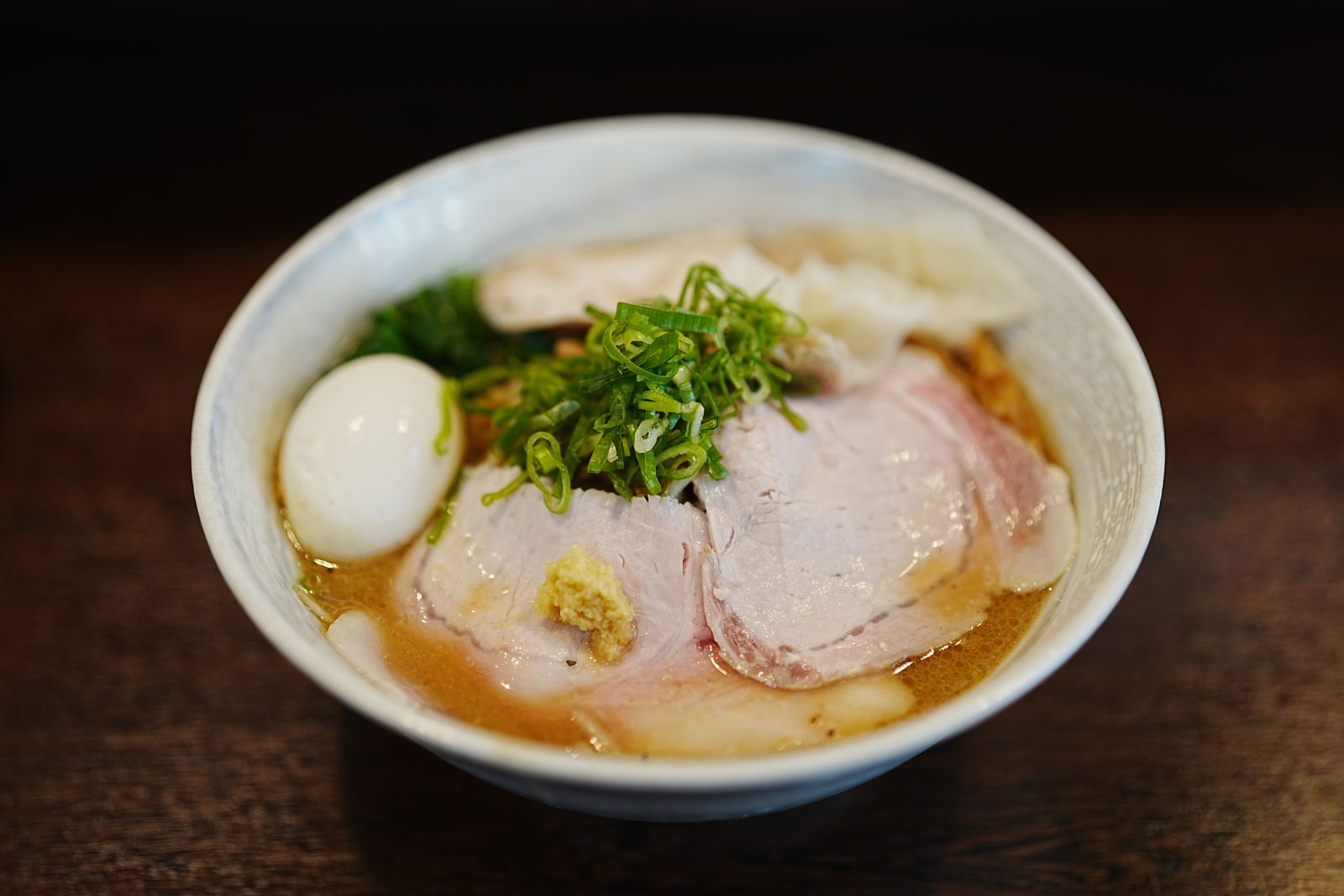
This is why our shoyu and shio bowls can share a chicken base and taste nothing alike. It also means the label tells you about saltiness and aroma, not about richness. A shio bowl on a pork base is a rich bowl with a salt tare.
Noodle cut: hosomen, chijiremen, futomen
If a shop lets you choose the cut, the choice is real and it changes the bowl more than most toppings do.
- Hosomen are thin and straight. They cook in about ninety seconds and are the traditional partner for tonkotsu, because a heavy broth clings to them without drowning them.
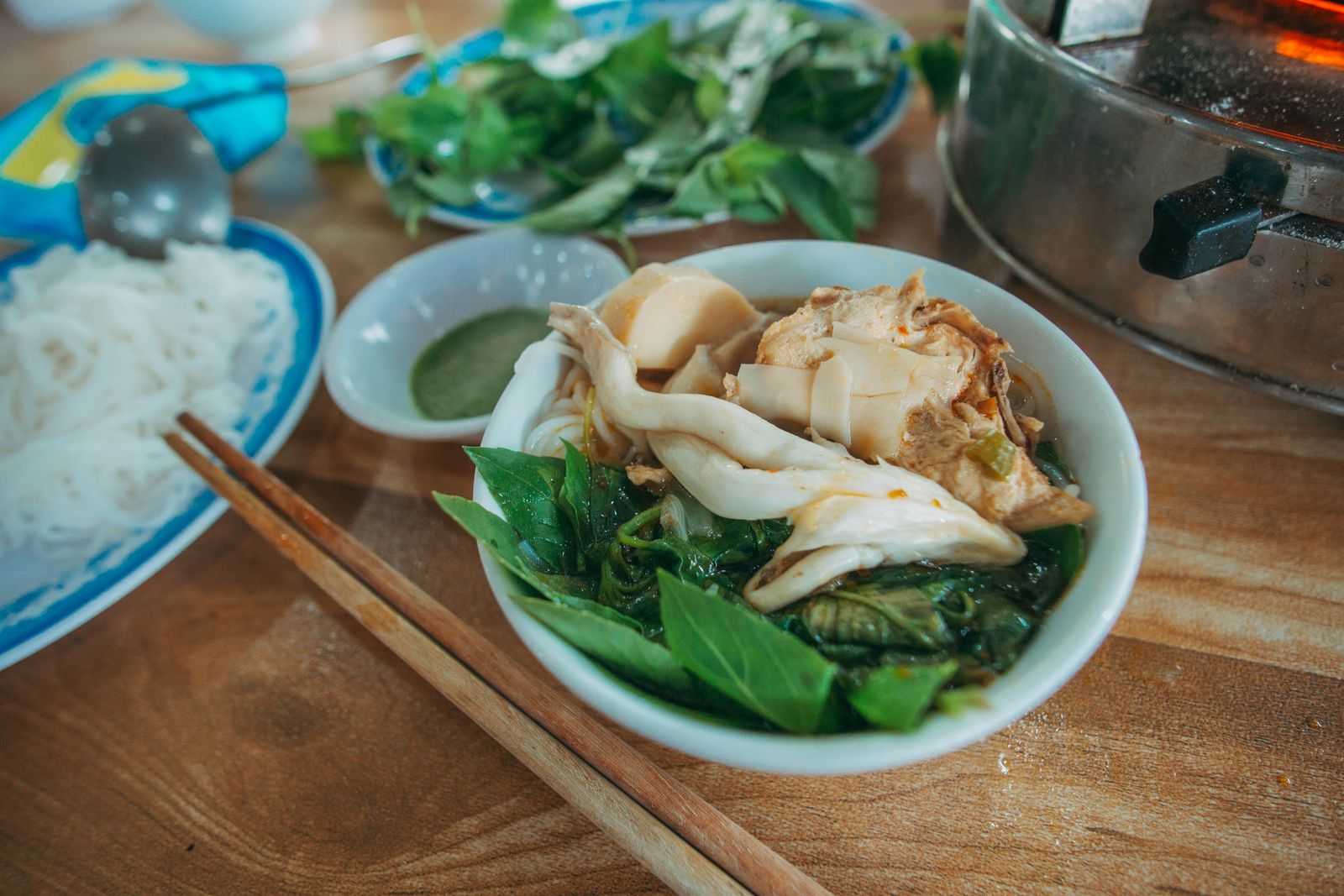
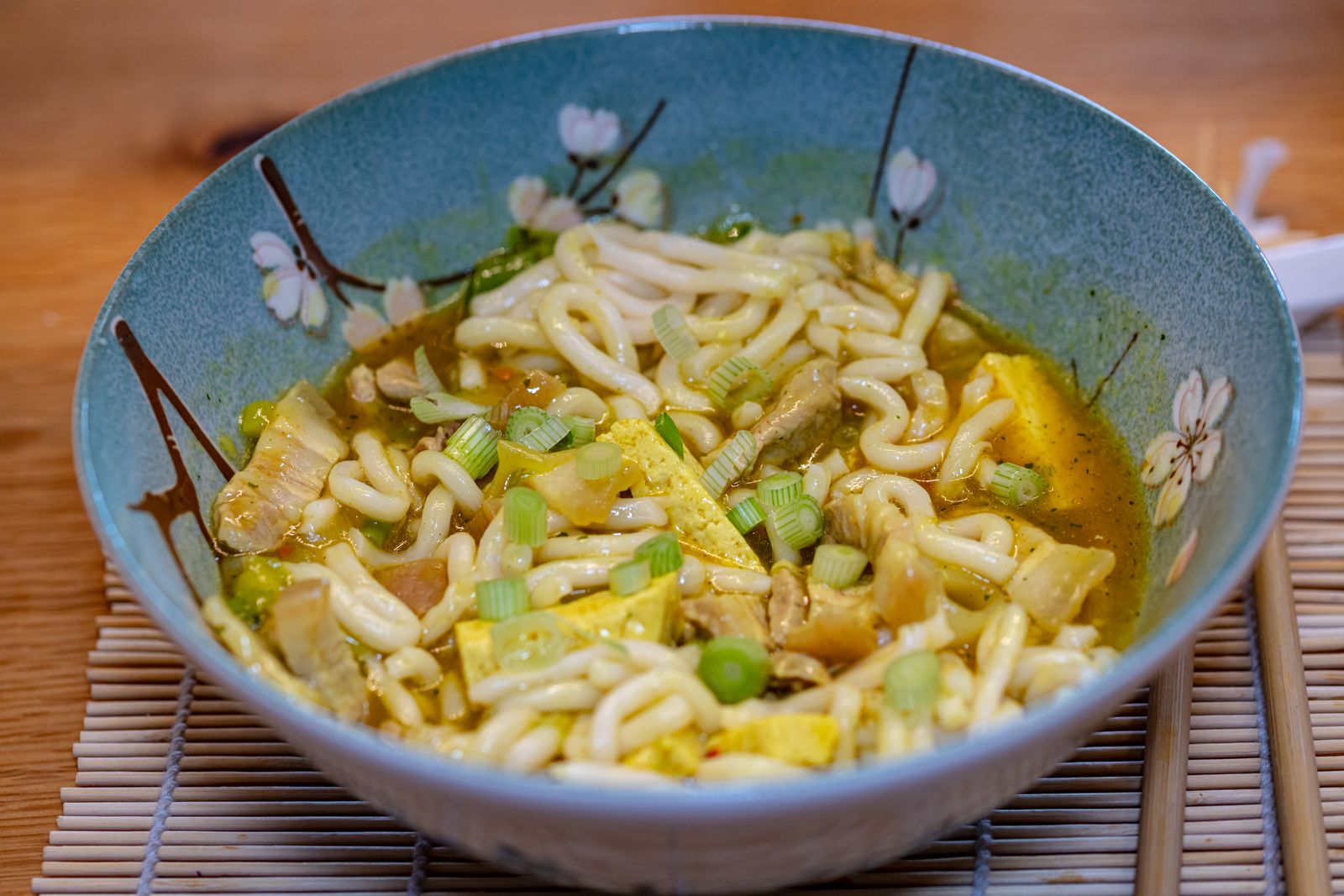
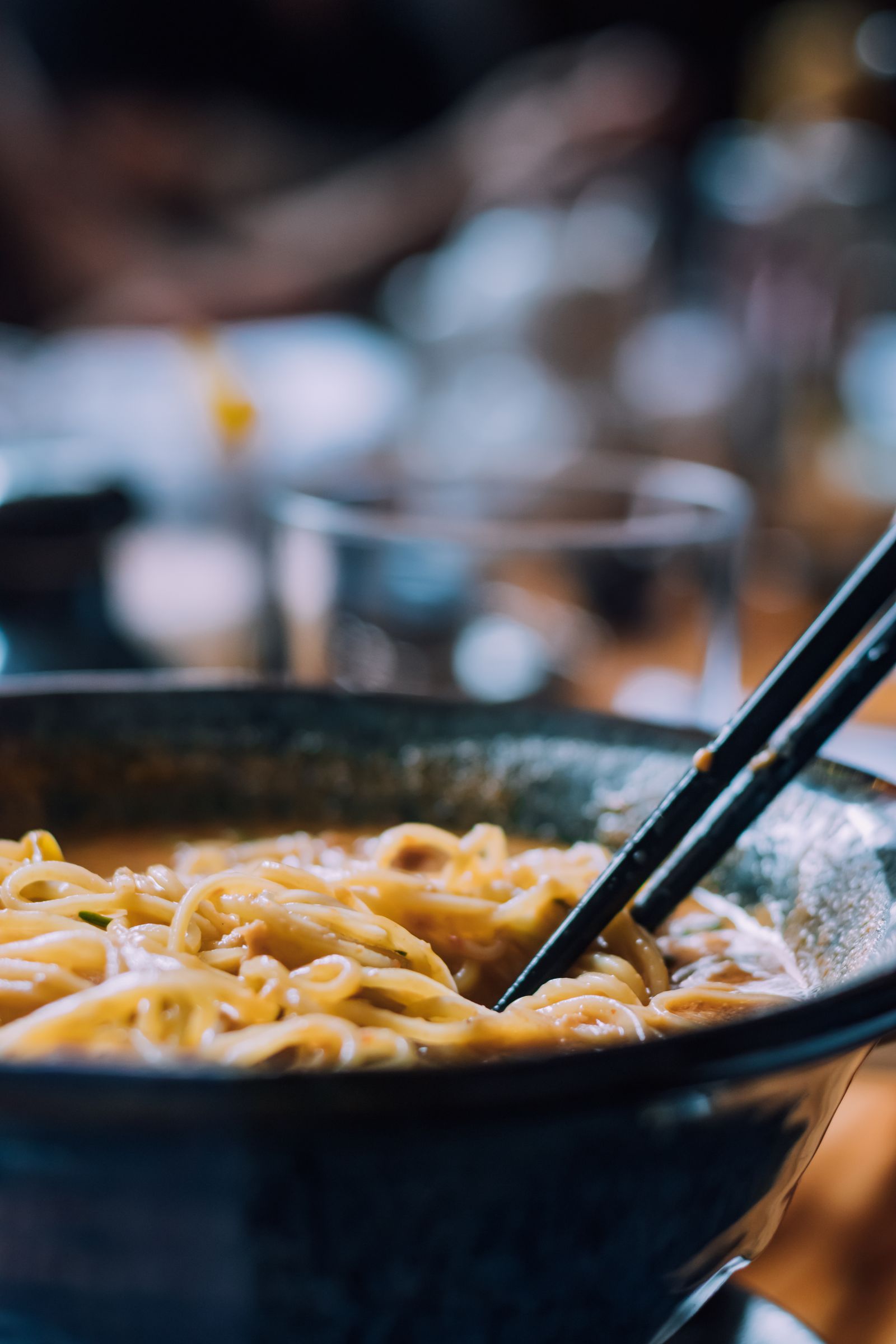
- Chijiremen are medium and wavy. The crimp traps clear broth, which is why they go with shoyu and with our vegan kombu shiitake bowl.
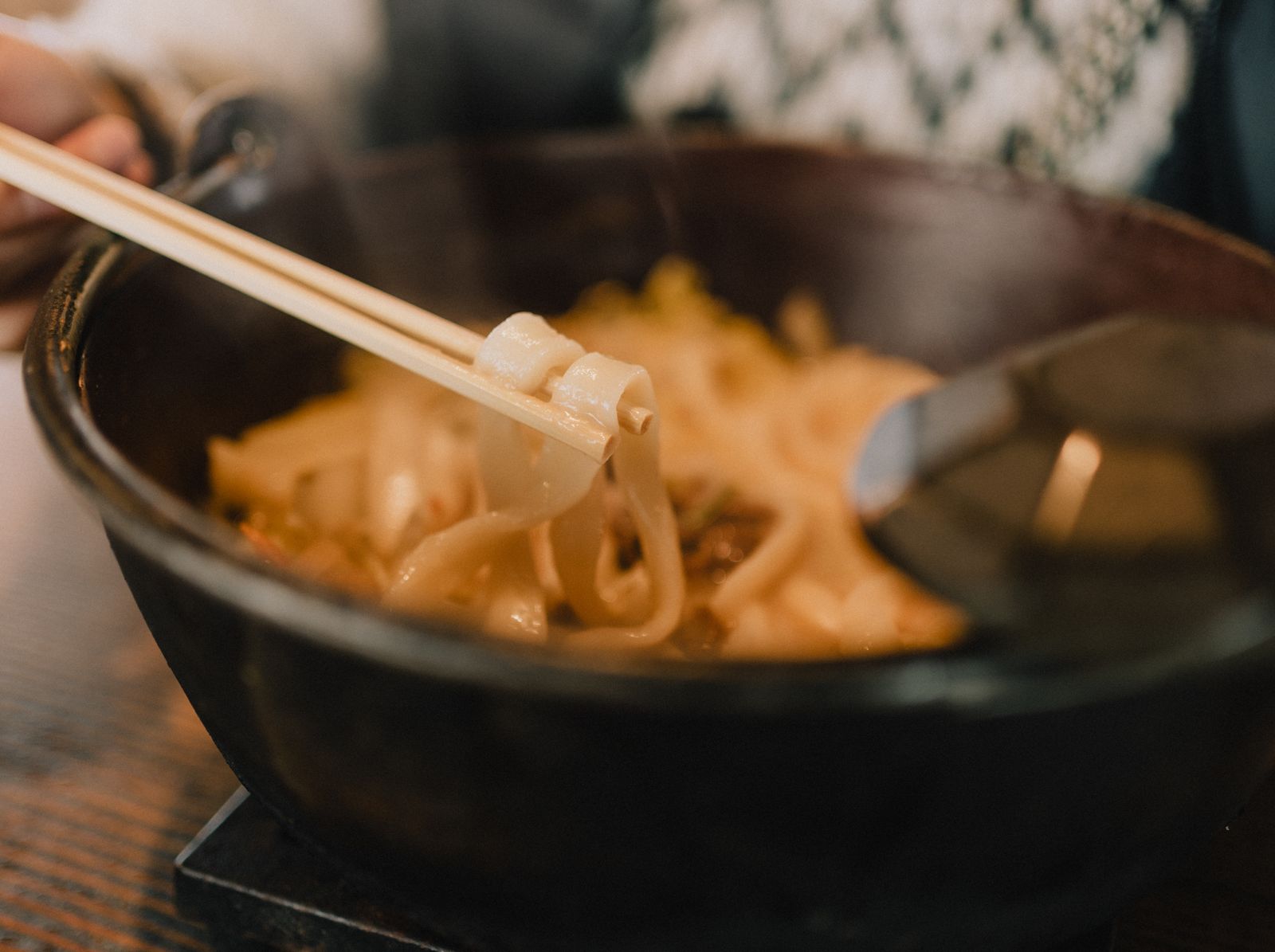
- Futomen are thick. They take three minutes, they can stand up to a thick miso broth or a concentrated dipping broth, and they are the wrong choice for anything delicate.
Firmness: barikata, katame, futsuu, yawarakame
Firmness is how long the noodles stay in the basket. Barikata is very firm at about forty-five seconds and has a distinct chalky core. Katame is firm at seventy seconds. Futsuu is standard at ninety. Yawarakame is soft at two minutes.
There is a practical reason to order firmer than you think you want: noodles keep cooking in hot broth after they reach the table. If you are a slow eater, or you are at a counter talking, katame will be futsuu by the time you are halfway down the bowl. If you eat fast, futsuu is fine.
Kaedama is a second helping of noodles
Ask for kaedama before you have finished the broth, not after. The kitchen drops a fresh portion and brings it to you to add to what is left, which only works if there is still enough liquid and seasoning to carry it. Ours is three dollars and free on Tuesdays.
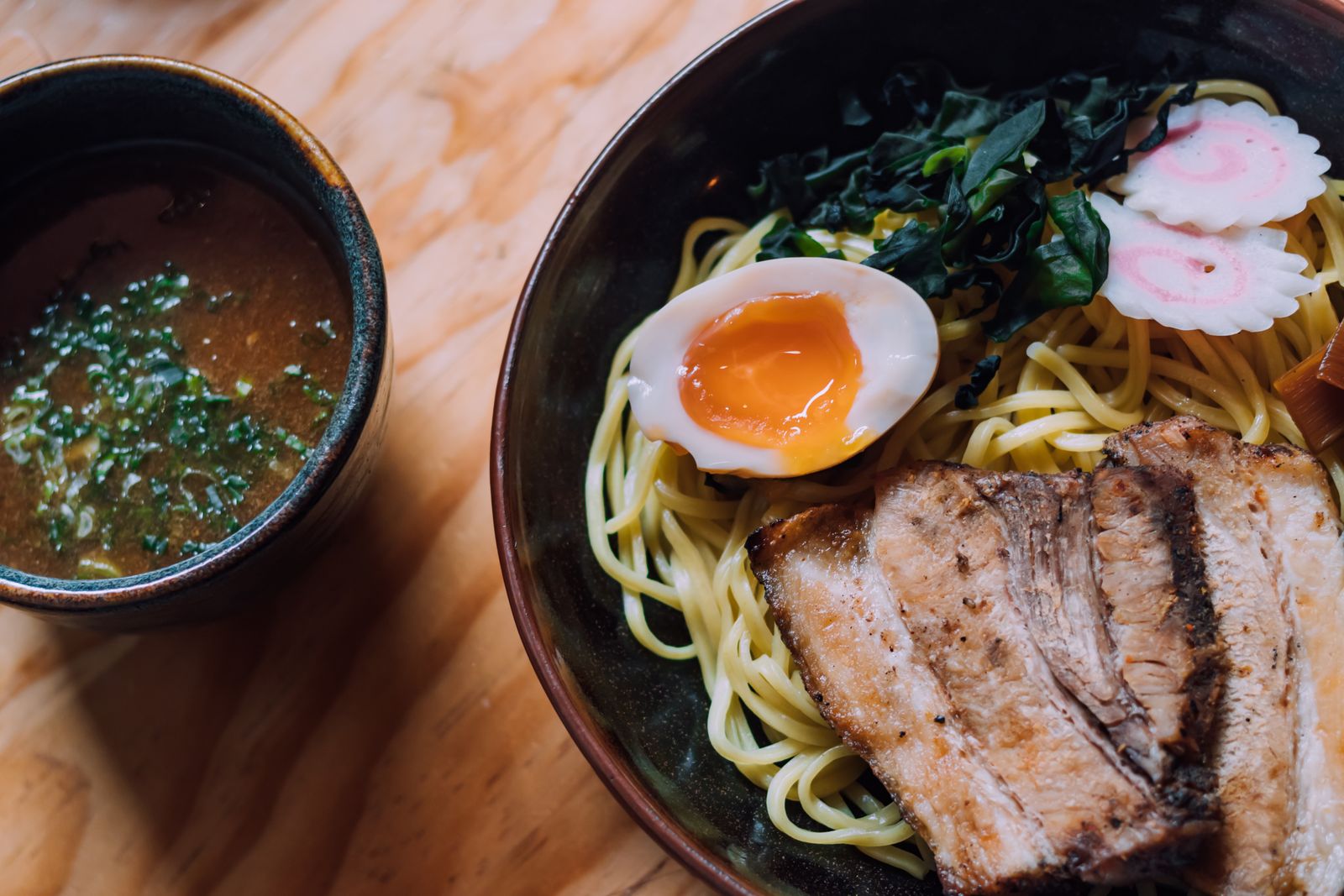
The related word is soup-wari, which applies to dipping-style tsukemen. The dipping broth is deliberately reduced and over-seasoned because cold noodles carry less flavour, which makes it too strong to drink. Ask for soup-wari and we pour thin dashi into what is left so you can finish it as a soup.
Ajitama is not just a boiled egg
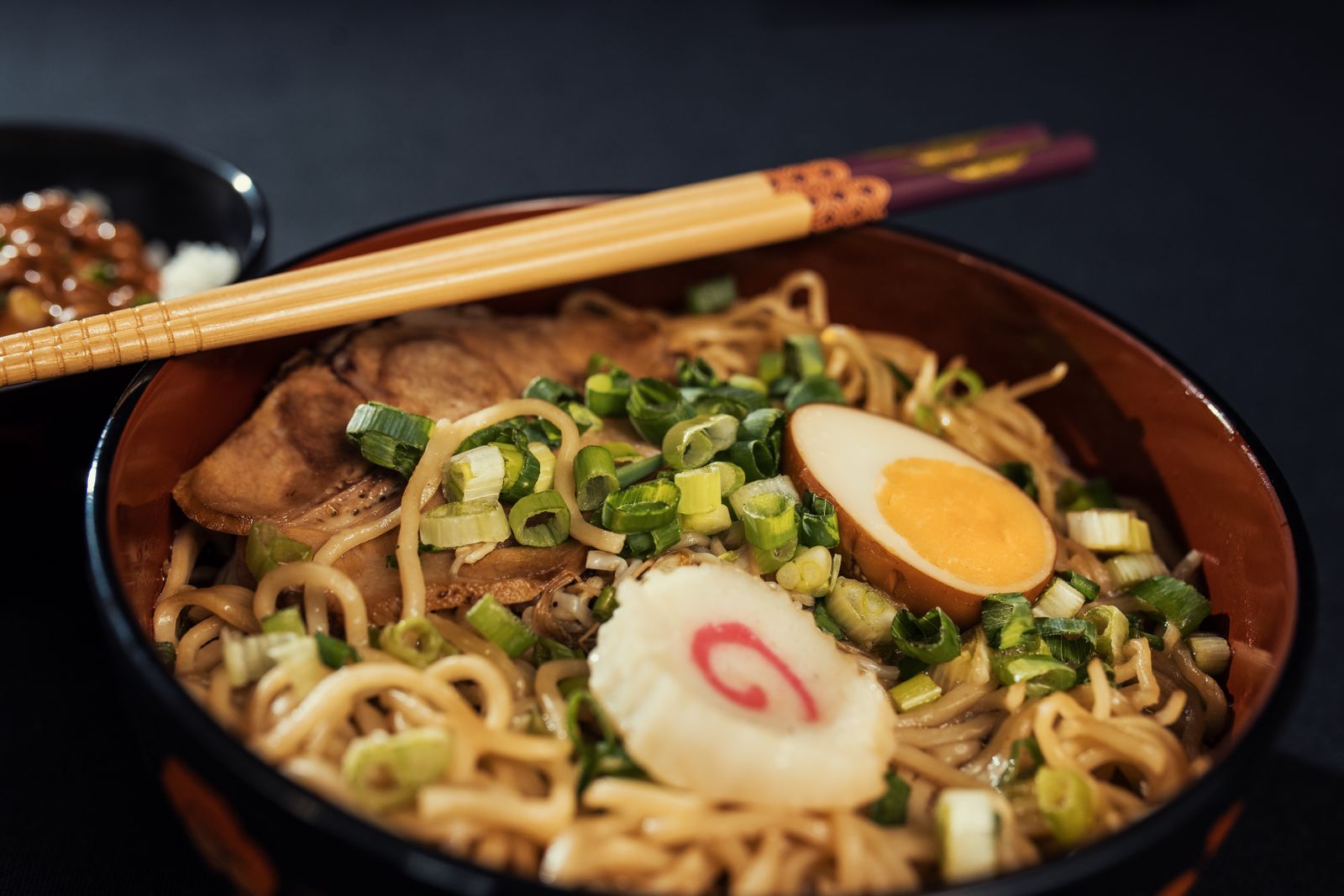
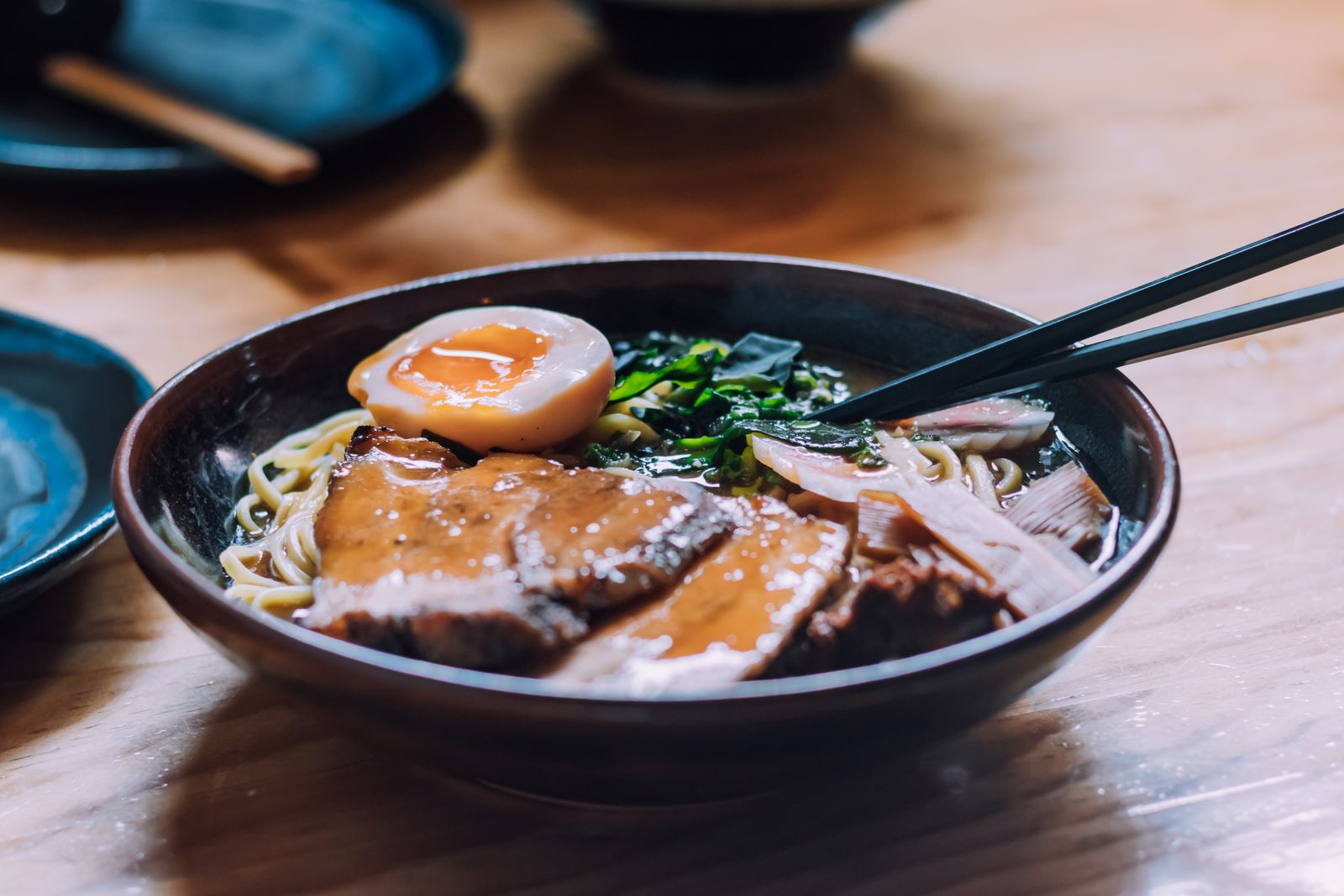
An ajitama is cooked to a set time, usually six and a half minutes, chilled hard to stop it, then marinated for at least half a day in tare and mirin. The marinade is what makes it brown through the white and savoury all the way in. A soft-boiled egg dropped in a bowl is not the same thing and you can tell at a glance: the white will be pale.
Putting it together
A complete order sounds like this: tonkotsu, hosomen, katame, extra kikurage, level two. That is broth, cut, firmness, topping and heat, and it takes four seconds to say.
If you want to try a shop properly, order the clearest bowl on the list at standard firmness with nothing added. It is the most honest version of what that kitchen can do, and it costs the least.